Home / Articles
Can TMJ Affect Your Hearing? Here’s What to Watch
Home / Articles
Can TMJ Affect Your Hearing? Here’s What to Watch
At Smile View Dental Clinic in Gangnam, we often see patients who come in for jaw pain or clicking, only to discover that their hearing issues are part of a larger condition known as TMJ disorder. Because the temporomandibular joint (TMJ) sits just millimeters away from the ear canal, even minor dysfunctions in this joint can lead to unexpected ear symptoms — from tinnitus to muffled hearing.
Understanding how the jaw and ear are connected isn’t just interesting anatomy — it’s often the key to lasting relief. In this article, we’ll explore how TMJ can affect your hearing, what symptoms to watch for, and when it’s time to seek a professional evaluation.
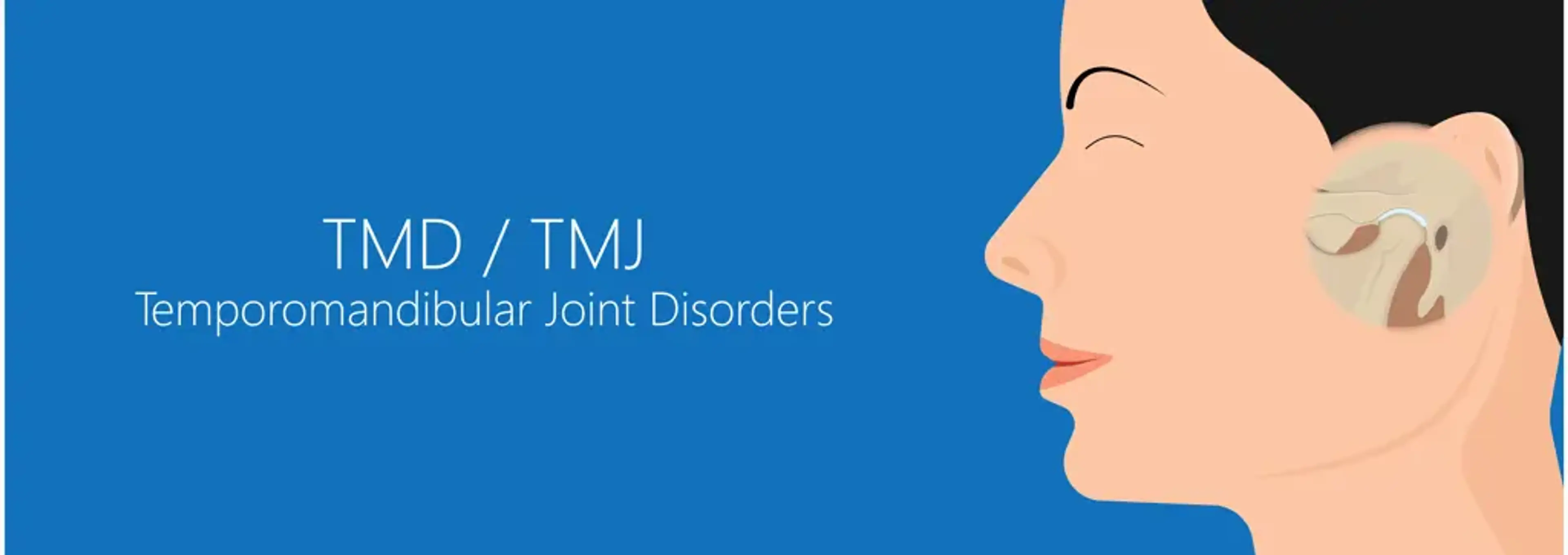
The temporomandibular joint (TMJ) connects your lower jaw (mandible) to your skull, located just in front of each ear. It allows you to talk, chew, yawn, and express emotions—essentially, it’s one of the most used and complex joints in your body.
Because of its close anatomical relationship with the ear canal and middle ear, inflammation or tension in the TMJ can easily influence ear-related structures. When something goes wrong in this area, it can create a cascade of symptoms that seem unrelated at first—like ear pain, ringing, or reduced hearing clarity.
Here’s how that connection works:
The TMJ and the middle ear share nerve connections, particularly through the trigeminal nerve. When the jaw muscles become tight or inflamed, they can send referred pain signals to the ear, creating sensations like pressure, discomfort, or ringing (tinnitus).
Several small muscles—such as the tensor tympani and tensor veli palatini—help regulate ear pressure and protect your eardrum from loud sounds. These muscles are indirectly connected to the muscles that move your jaw. If your jaw alignment is off, it can cause spasms or dysfunction in these ear-related muscles, leading to symptoms like ear fullness or a “blocked” feeling.
When inflammation develops in the TMJ, the swelling can exert pressure on surrounding tissues near the ear. This can lead to temporary hearing changes or a sense of imbalance. In severe cases, some patients even report mild dizziness or vertigo.
If you have TMJ dysfunction, you might experience one or more of the following ear-related symptoms:
It’s important to note that these symptoms often fluctuate. You might feel them more after chewing tough foods, clenching your jaw during stress, or after waking up from teeth grinding (bruxism).
In many cases, patients first seek help from an ENT specialist. After ear exams and hearing tests return normal results, frustration often sets in—“If nothing’s wrong with my ears, why do they feel blocked?”
One of our recent patients, a 32-year-old office worker in Gangnam, came in complaining of persistent ringing in her right ear. She had already visited two ENT clinics and undergone hearing tests—all normal. During her consultation, Dr. Han-gyeol Kim noticed significant jaw tension and a subtle deviation when she opened her mouth.
After performing 3D jaw tracking and digital occlusal analysis—tools we regularly use at Smile View Dental Clinic—we identified a misaligned bite causing overactivity in her jaw muscles. Within weeks of customized bite therapy and physiologic occlusal adjustment, her ear ringing reduced by nearly 70%.
This case is not unusual. Many TMJ-related ear symptoms improve once the underlying jaw imbalance is corrected.
While not every ear symptom is due to TMJ dysfunction, here are some clues that your jaw might be playing a role:
Your ear symptoms worsen after eating, talking, or yawning.
You hear clicking or popping sounds near your ears.
You often clench your teeth or notice jaw tension during stress.
You wake up with jaw stiffness or headaches.
You have a history of teeth grinding, orthodontic relapse, or uneven bite.
If several of these sound familiar, it’s worth consulting a dentist experienced in occlusion and TMJ health.
At Smile View Dental Clinic, TMJ evaluation goes beyond a simple visual check. We use a combination of digital imaging, joint vibration analysis, and bite simulations to understand how your jaw functions in real time.
A thorough diagnosis may include:
This integrative approach ensures that we identify not just symptoms, but root causes.
TMJ treatment is always personalized, but most cases follow a stepwise, minimally invasive approach:
Minor bite misalignments can put uneven stress on the TMJ. Precise adjustments or customized splints help restore balance and relieve pressure on ear-related structures.
Night guards or splints can reduce teeth grinding, protect enamel, and relax overworked jaw muscles. At Smile View, splints are digitally designed to fit each patient’s unique bite anatomy for maximum comfort.
We often incorporate muscle deprogramming, ultrasound therapy, or low-level laser treatment to relieve inflammation and improve joint function.
For patients with long-term bite discrepancies, orthodontic realignment or prosthetic reconstruction may be needed to achieve stable jaw harmony.
In nearly all cases, patients report that their ear symptoms improve as their jaw mechanics normalize.
TMJ disorders often have behavioral triggers—stress, poor posture, and teeth grinding are common culprits. Here are a few practical ways to protect your jaw and ears:
Avoid excessive chewing (e.g., gum or hard foods).
Maintain good posture when working at a desk.
Manage stress through breathing or mindfulness.
Be aware of nighttime clenching—use a custom nightguard if recommended.
Schedule routine bite checks after orthodontic or cosmetic work.
Like tuning an instrument, small adjustments over time can preserve both jaw function and ear comfort.
Your ears and jaw are closer than you think — not just physically, but functionally. When your jaw joint is misaligned or overworked, it can easily send ripple effects to the delicate structures of your ear. The result? A confusing blend of symptoms that often go misdiagnosed for months or even years.
The good news is that these issues are highly treatable once their true cause is identified. At Smile View Dental Clinic, Dr. Han-gyeol Kim and our multidisciplinary team combine advanced TMJ diagnostics, digital bite analysis, and minimally invasive treatments to restore natural balance between your jaw and ear systems. Many of our patients find that once their TMJ is stabilized, their ear pressure, ringing, and hearing clarity improve dramatically.