Home / Articles
Dental Sealants: Are They Right for Your Child?
Home / Articles
Dental Sealants: Are They Right for Your Child?
Every parent knows the daily battle of getting children to brush their teeth properly. You remind them before school, check again before bed, and sometimes even take over to make sure every corner is cleaned. Yet, despite all that effort, you may still hear the dreaded words at the dental clinic: “Your child has a cavity.”
It’s disheartening, isn’t it? You’ve done everything right—regular brushing, fluoride toothpaste, limited sweets—but cavities seem to sneak in anyway, especially in the back teeth.
At Smile View Dental Clinic in Gangnam, we often explain this with a simple truth: children’s molars are naturally vulnerable. Their chewing surfaces have deep grooves that toothbrush bristles often miss, no matter how carefully a child brushes. This is where dental sealants can make all the difference.
Sealants are one of the most effective yet underutilized tools in preventive dentistry. They’re quick, painless, and can dramatically reduce your child’s risk of tooth decay. But as a parent, you may wonder: Are they really necessary? Are they safe? Should my child get them now, or wait?
This guide will walk you through everything you need to know—from how sealants work to when they’re recommended—so you can make an informed, confident decision for your child’s smile.
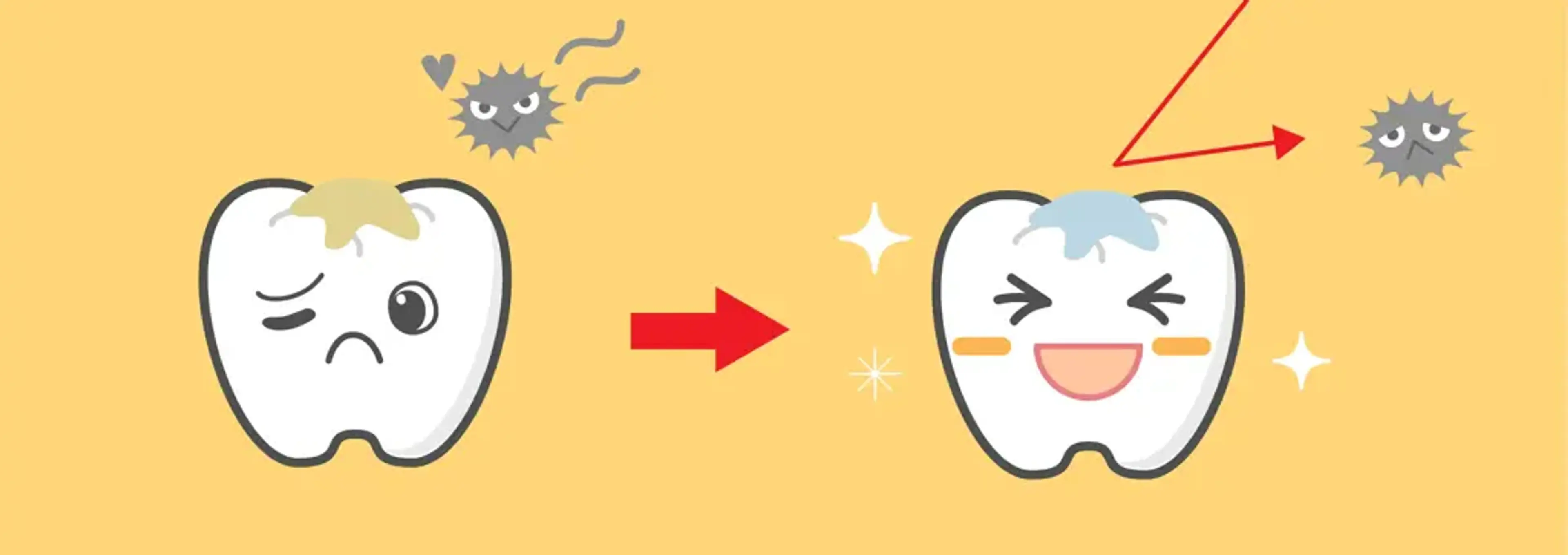
Think of sealants as a protective barrier for teeth. They are thin, transparent (or slightly white) coatings applied to the chewing surfaces of molars and premolars. Once hardened, they shield those vulnerable grooves from food particles and bacteria.
Here’s a simple analogy we share with parents: imagine your child is wearing a white hanbok during a festival. You wouldn’t let them eat tteokbokki without a protective apron, right? The sealant is that apron for the tooth—it prevents “stains” (in this case, cavities) from forming in the first place.
Unlike fillings, which repair existing damage, sealants are purely preventive. They don’t change how the tooth looks or feels but quietly guard against decay for years.
Sealants can be used at any age, but they are especially effective for children and teenagers.
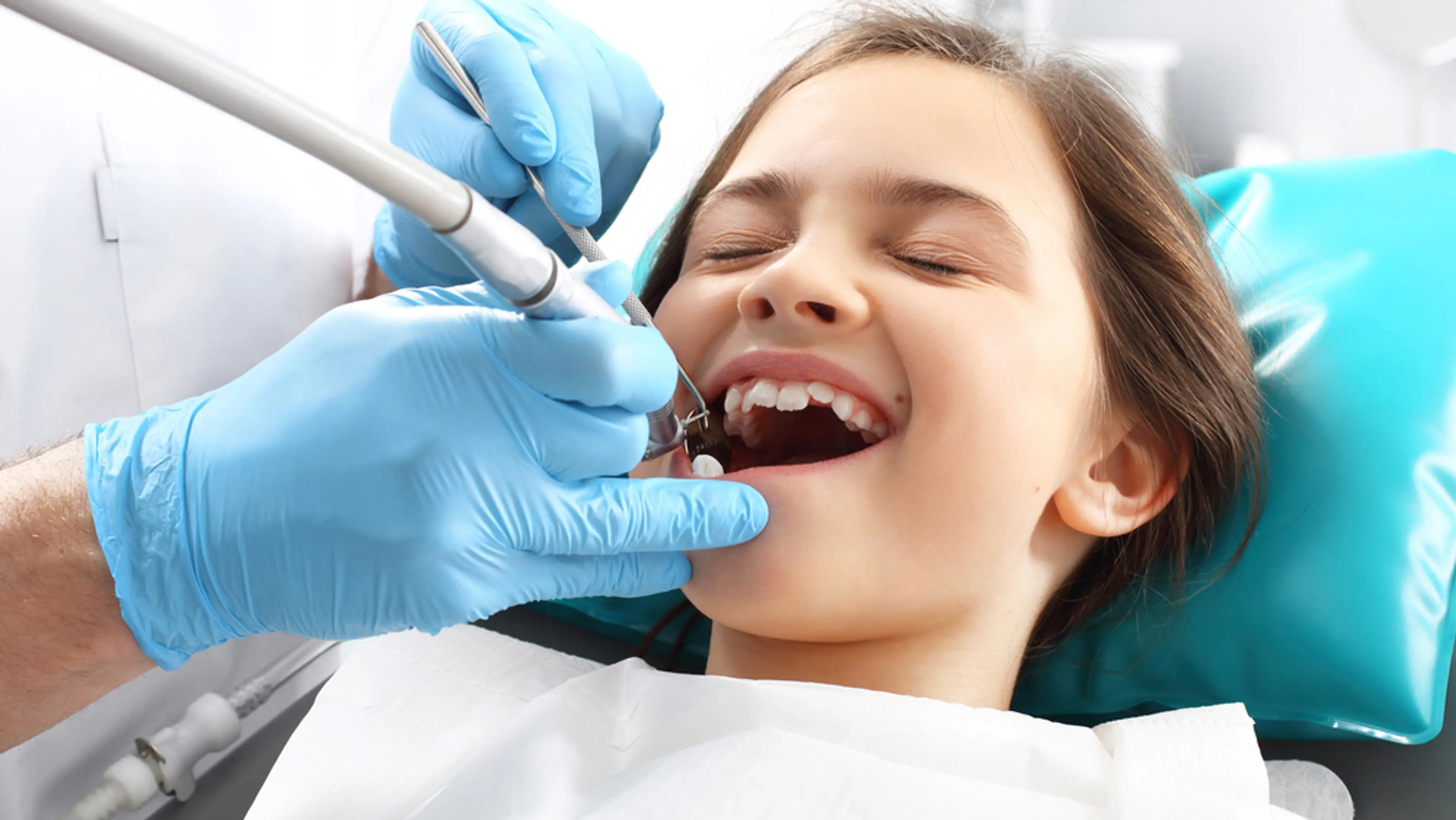
One of the biggest reassurances for parents is knowing the procedure is painless, needle-free, and quick. At Smile View Dental Clinic, here’s what your child can expect:
That’s it—no drilling, no anesthesia, no pain. Most children don’t even realize anything “happened” and walk out smiling.
Safety is a top concern for parents. At Smile View Dental Clinic, we use BPA-free, biocompatible sealant materials. The amount of BPA exposure from sealants is so minimal that it’s less than what a child would get from breathing air indoors for a single day.
Sealants have been used in dentistry for over 50 years, with countless studies supporting their safety and effectiveness. For children in Gangnam, where aesthetics and health are equally valued, parents can rest assured that sealants are not only safe but also a wise investment in preventive care.
Sealants can also be placed on premolars or even baby teeth if a child has unusually deep grooves or a high risk of decay.
At Smile View, we use digital imaging and growth monitoring to determine the best timing for each child. No two children develop at the same pace, so individualized planning ensures maximum benefit.
You may wonder: If my child brushes twice a day with fluoride toothpaste, flosses, and sees the dentist regularly, do they still need sealants?
It’s like protecting a musical instrument. Daily cleaning keeps it sounding beautiful, but precise tuning and a protective case ensure it stays in top condition for years. Sealants are that protective case.
Sealants cannot treat existing cavities. If decay has started, the tooth may need a filling first. However, sealants can still be applied to other healthy teeth to prevent further issues.
In some borderline cases—where a groove shows early signs of weakening—we sometimes use “therapeutic sealants” to halt decay at its earliest stage. This integrated approach reduces the need for drilling and preserves more of the natural tooth.
In Gangnam, dentistry is more than just health care—it’s part of lifestyle and aesthetics. Parents here understand the cultural value of a confident, beautiful smile. Just as they invest in education or after-school programs to secure their child’s future, many also see preventive dentistry as a long-term investment in confidence and success.
Sealants align perfectly with this philosophy: they are a small, proactive step that prevents bigger, more invasive treatments later.
Sealants typically last 5 to 10 years, though they may wear down gradually. At Smile View, we check them at every routine dental visit. If a sealant shows signs of wear, it can be easily reapplied.
This comprehensive approach reflects our philosophy: every child’s smile deserves individualized, holistic care.
If your child is between the ages of six and fourteen, dental sealants are one of the simplest, most effective, and least invasive ways to protect their permanent teeth. They reduce cavity risk dramatically, spare children from painful dental treatments, and safeguard a foundation for lifelong oral health.
Sealants are not about replacing good habits but reinforcing them. They’re a quiet guardian, working in the background so your child can focus on growing, learning, and smiling with confidence.
At Smile View Dental Clinic in Gangnam, Dr. Han-gyeol Kim and our team combine international expertise with advanced technology to ensure every child receives the right preventive care at the right time.