Home / Articles
First Molar Problems in Kids: A Parent’s Guide
Home / Articles
First Molar Problems in Kids: A Parent’s Guide
If you're the parent of a child around six or seven years old, you may have already noticed the arrival of a new back tooth—the first permanent molar, also known as the "6-year molar." It doesn't replace any baby tooth; instead, it quietly erupts behind the last baby molar, often without much fanfare. Yet despite this quiet entrance, the first permanent molar plays a starring role in your child’s dental development.
At Smile View Dental Clinic in Gangnam, we often call it the "anchor tooth." It helps define your child’s bite, supports future orthodontic alignment, and is one of the first adult teeth to take on the full force of chewing. And because it arrives so early in life, before many kids have mastered brushing, it's also one of the most vulnerable.
This guide is here to help you understand why these teeth matter so much, what can go wrong, and how to protect them through early prevention, timely treatment, and collaborative care.
These molars do more than just chew. As foundational teeth, they:
Establish proper bite alignment.
Guide the eruption of surrounding permanent teeth.
Affect jaw development and facial symmetry.
Often serve as key anchors for future orthodontic devices.
Losing a first permanent molar too early or letting it degrade can lead to years of complications: crooked teeth, misaligned bites, expensive braces, or even early adult tooth loss.
In fact, many cases of full-mouth orthodontic work we see in older children and teenagers can be traced back to issues with their first molars. By intervening early and ensuring the health of these foundational teeth, we can often reduce or even eliminate the need for complex treatment later on.
At our Gangnam clinic, we see both local and international families who are surprised to learn how pivotal these teeth are. The truth? They are often taken for granted.
As these molars erupt, their chewing surfaces are filled with deep grooves where food and bacteria easily collect. Combine this with a young child’s incomplete brushing skills, and it’s no surprise they’re prone to cavities.
Studies show that the first permanent molar is the most frequently decayed adult tooth in children. If left untreated, these cavities can progress rapidly, causing pain, infection, or even necessitating extraction.
At Smile View Dental Clinic, we emphasize regular check-ups during the eruption phase to identify these early cavities before they become a larger issue. When we catch decay early, we can usually treat it with simple, minimally invasive fillings and avoid more complex interventions.
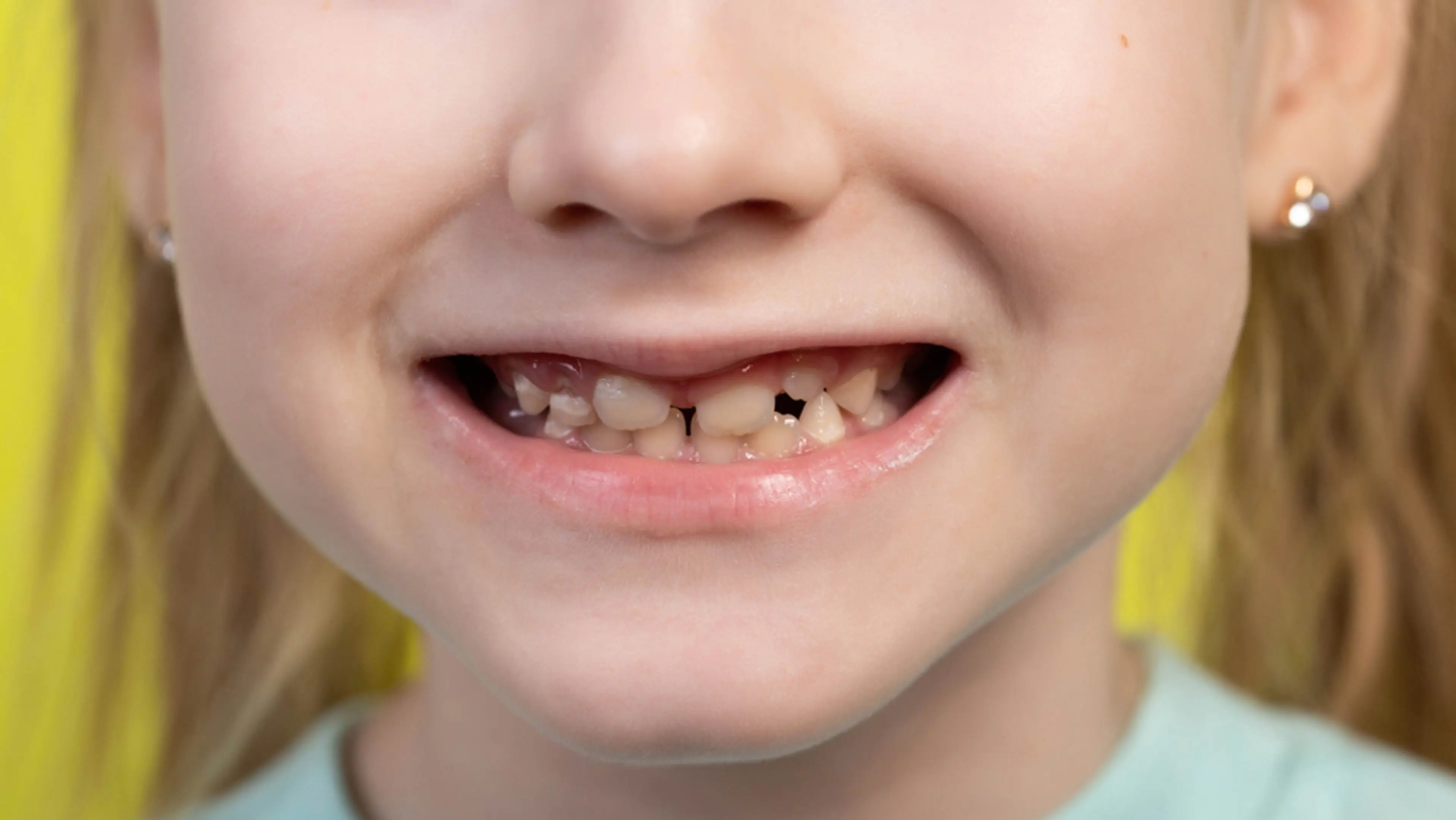
Also known as "chalky teeth," MIH is a developmental condition that affects the strength and quality of enamel. These molars may appear discoloured—white, yellow, or brown—and break down more easily.
Children with MIH often report sensitivity to hot or cold, and they may need more advanced treatments like crowns or protective coatings. In some cases, the enamel is so soft that a simple brushing session can cause the surface to wear away.
MIH is more common than many parents realize, and because it affects teeth that are meant to last a lifetime, we take an especially proactive approach. Our clinic uses specialized diagnostics to identify MIH early and formulate a personalized treatment plan.
Sometimes, the molar doesn’t erupt fully or grows in at an angle. This can cause gum inflammation, food trapping, and bite misalignment. Early loss of this molar (due to decay or extraction) can also cause adjacent teeth to shift, creating long-term orthodontic problems.
Additionally, a poorly positioned first molar can interfere with the natural alignment of neighboring teeth and disrupt the sequence in which future teeth erupt. This can result in crowding, crossbite, or overbite conditions that later require orthodontic correction.
The first permanent molar erupts when a child is still mastering basic oral hygiene. It often gets overlooked since no baby tooth falls out to make room for it. Many parents assume no new teeth are erupting if no old ones are lost, which is why this molar can go unnoticed until a problem arises.
These structural features trap food, making them harder to clean than smooth baby teeth. Even when a child brushes diligently, the bristles often fail to reach into the deepest crevices of the molar.
In some children, the enamel forms poorly due to genetics or early childhood illnesses, making the tooth more prone to damage (as in MIH). Factors like high fevers, antibiotic use, or poor nutrition during early childhood can also influence enamel quality.
Parents should be vigilant for these signs:
Pain or sensitivity when chewing.
Discolouration (white, yellow, or brown spots).
Food trapping or bad breath.
Complaints about cold or sweet foods.
Avoiding chewing on one side.
Visible chips or holes in the tooth.
Another sign to watch for is sudden changes in your child’s behavior at mealtime. Are they eating more slowly? Favoring softer foods? Avoiding one side of the mouth? These subtle cues often indicate discomfort in a newly erupted molar.
If any of these symptoms appear, a dental visit is strongly advised. Early diagnosis leads to simpler, more cost-effective treatments and better long-term outcomes.
At Smile View Dental Clinic, our philosophy is prevention-first. Here’s how we help you stay ahead:
Good nutrition also plays a role in maintaining strong enamel. Diets high in calcium, vitamin D, and phosphorus support enamel development and resilience.
If extraction is necessary, we coordinate closely with our orthodontic and surgical teams to time it optimally. This ensures the second molar can shift into place naturally, minimizing the impact on future alignment.
In some cases, we may use a transitional appliance or engage in guided eruption planning to ensure other teeth develop in harmony. Our integrated team approach ensures nothing is left to chance.
A 7-year-old boy visited our Gangnam clinic with mild discomfort when chewing. On examination, his lower right molar had chalky enamel and early decay. We cleaned the area, applied fluoride varnish, and placed a fissure sealant. With ongoing check-ups and parental involvement in brushing, the tooth has remained stable and healthy two years later.
Another case involved a young girl from overseas who had lost her first molar prematurely due to untreated decay. She was already showing signs of crowding at age 9. Working collaboratively with our orthodontic team, we developed a long-term plan that included space management and later alignment correction. This avoided what could have been a complex full-arch orthodontic intervention.
These are just two examples of how early intervention and integrated care can change the trajectory of a child's dental future.
Our clinic combines international expertise, advanced diagnostics, and a gentle, child-friendly approach:
Dr. Han-gyeol Kim leads a multidisciplinary team of specialists.
We use digital diagnostics to catch problems early.
We believe in minimally invasive, precision dentistry.
Our clinic environment is warm, reassuring, and designed for children.
We offer multilingual services for international families living in or visiting Seoul.
Whether your child is experiencing discomfort or you're simply planning ahead, we’re here to provide reliable, thorough, and compassionate care.
You might be surprised to learn how important a single tooth can be. But the first permanent molar is no ordinary tooth. It anchors your child’s bite, sets the stage for alignment, and endures a lifetime of chewing forces.
The more you understand about its role, the more empowered you are to protect it. Take action early. Encourage good habits. Schedule those check-ups. And partner with a clinic that understands the full picture.
If you’re ever in doubt about how your child’s molars are erupting or if you're noticing any discomfort, don’t wait. These formative years set the stage for decades of oral health.