Home / Articles
How Bone Loss Affects Your Smile—and How Implants Can Help
Home / Articles
How Bone Loss Affects Your Smile—and How Implants Can Help
When people think about oral health, they often focus on the teeth and gums. But what lies beneath those visible elements is just as important—and often more overlooked. The jawbone is the structural foundation that supports everything from your bite alignment to your facial profile. At Smile View Dental Clinic in Gangnam, we frequently meet patients who have invested in whitening, veneers, or braces but are unaware of how bone loss has already altered the foundation of their smile.
Bone loss doesn't just occur in the elderly or those with advanced gum disease. It can begin quietly after a single tooth is lost. Over time, this silent erosion can affect how your face looks, how your teeth function, and whether you're a good candidate for treatments like implants. In an area like Gangnam, where aesthetics matter and high-quality care is expected, addressing bone health isn't optional—it's essential.
In this article, we uncover what causes bone loss, how it impacts your smile beyond the surface, and how modern implant therapy—especially when planned with precision and a holistic approach—can rebuild both bone and confidence. Whether you're dealing with recent tooth loss or have been wearing dentures for years, this guide will help you understand your options and why acting now can make all the difference.
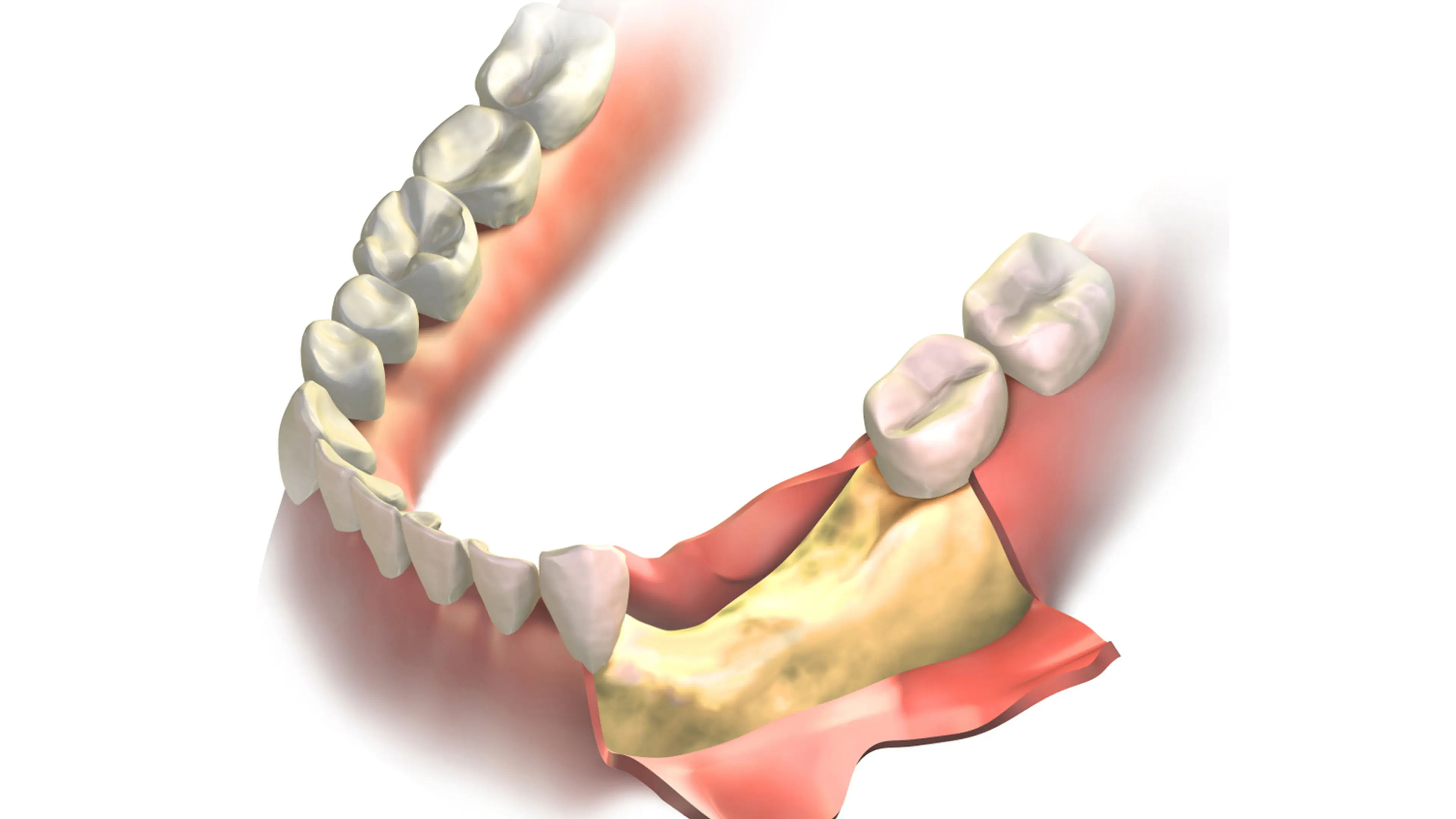
When you lose a tooth—whether due to injury, decay, or gum disease—the bone that once supported that tooth root begins to shrink. This is known as alveolar bone resorption. It happens because your body no longer receives signals from the missing tooth root to maintain that bone tissue.
Within just 12 months of tooth loss, up to 25% of the surrounding bone can be lost. Over time, this process can lead to:
A sunken appearance in the cheeks or jaw
Shifting of nearby teeth
Difficulty chewing or speaking
Reduced success for future dental restorations
One of the most noticeable effects of jawbone loss is facial sagging. Without enough bone to support the lips and cheeks, the face can appear collapsed or aged. In cosmetic-conscious areas like Gangnam, where patients prioritize youthful, natural-looking results, bone loss can undermine even the best dental or facial aesthetic work.
At Smile View, we've seen patients as young as their 30s exhibit premature facial aging due to underlying bone deterioration. The cheeks flatten, the jawline weakens, and the lips lose volume. These changes can be subtle at first, but they accumulate, affecting not just how others see you, but how you see yourself.
As bone resorbs, adjacent teeth may shift, tilt, or become loose. The way your teeth bite together (your "occlusion") can change, leading to imbalance, jaw pain, or even further damage.
Bite misalignment can lead to chronic headaches, wear on teeth, and even TMJ (temporomandibular joint) issues. Some patients find that their ability to chew certain foods is compromised, leading to dietary limitations and poor nutrition—all because the foundation is no longer there to support proper function.
Missing bone means the gum tissue above it also collapses, making it harder to place crowns, bridges, or dentures in a way that looks and feels natural. In fact, ill-fitting restorations often point back to a bone deficit beneath the surface.
Aesthetically, this can result in what we call a "black triangle" — gaps between the gums and the restoration that look dark and unnatural. Even the most beautiful ceramic crown can look out of place without adequate gum and bone support.
Perhaps most critically, a lack of bone volume limits your ability to receive implants—or to have them succeed long-term. An implant needs a healthy foundation to integrate and last.
If an implant is placed in an area with insufficient bone, it risks poor integration, infection, or eventual failure. This is why proper diagnostic imaging and a bone-preserving strategy are non-negotiable at Smile View Dental Clinic.
At Smile View, we often describe jawbone health like maintaining a high-performance vehicle: if you neglect the underlying mechanics, even the most polished exterior will break down.
When placed early after tooth loss—or combined with bone grafting in more advanced cases—implants can stabilize and even regenerate bone volume.
Furthermore, implants allow us to use the most minimally invasive techniques while still achieving long-term success. At Smile View, we use guided surgery, custom surgical templates, and digital planning software to ensure accuracy down to the millimeter. This ensures minimal trauma, faster healing, and optimal outcomes.
If you’ve already lost bone, you’re not out of options. In fact, one of Smile View Dental Clinic’s strengths is our multidisciplinary approach to complex cases.
Each case is evaluated with a 3D CBCT scan, digital impression, and bite analysis. Dr. Kim's expertise in occlusion—honed at Harvard and UCLA—means we don’t just place implants; we place them where they will function best over decades.
A 46-year-old patient visited Smile View after missing a front tooth for three years. Her previous consultations had discouraged implants due to severe bone loss. Using guided bone regeneration and a digital surgical guide, Dr. Kim successfully grafted the area, placed an implant, and restored her front tooth with a custom ceramic crown. Today, her gum line is symmetrical, and her smile looks completely natural—even under close-up photography.
Another case involved a patient in his 60s who had worn a lower denture for over a decade. The bone ridge was so thin it couldn’t support traditional implants. We used two zygomatic implants combined with grafting and digitally designed overdentures to restore his ability to chew steak, nuts, and even Korean BBQ—foods he hadn’t enjoyed in years.
In a city like Seoul—and a neighborhood like Gangnam, where aesthetic precision matters—choosing the right clinic is essential.
Whether you need a single implant or full-mouth restoration, we tailor each treatment plan to your bone anatomy, aesthetic goals, and lifestyle. From advanced diagnostics to the final ceramic crown, every detail is carefully considered.
We also speak English, Korean, and Chinese—so whether you're local or visiting Gangnam from abroad, you can expect clear communication and comfortable care.
Bone loss doesn't announce itself with a flashing light or a sudden jolt of pain. It progresses quietly, year after year, affecting your face, your function, and your future treatment options. By the time most patients notice something is off—a denture that doesn't fit, a sunken cheek, a tooth that shifts—the bone has already begun to vanish.
But it's not too late. With the right diagnostics, an experienced clinician, and a personalized approach, bone can often be preserved, regenerated, or bypassed entirely using advanced techniques like grafting and guided implant placement. At Smile View Dental Clinic, we specialize in seeing the unseen—catching bone loss early, correcting it precisely, and ensuring that your dental foundation is as healthy as your smile is beautiful.
So if you've been told you're not a candidate for implants, or if you're simply wondering why your face looks different after losing a tooth, come talk to us. We don't just treat teeth; we rebuild smiles from the inside out.