Home / Articles
How to Handle Uneven Whitening Results
Home / Articles
How to Handle Uneven Whitening Results
In Gangnam, where beauty and presentation hold cultural significance, a radiant smile is often considered as essential as a well-tailored suit or flawless skincare. Patients seek whitening not just for vanity, but to reflect confidence, professionalism, and self-respect. Whitening is one of the most requested cosmetic treatments at Smile View Dental Clinic, but the journey isn’t always straightforward.
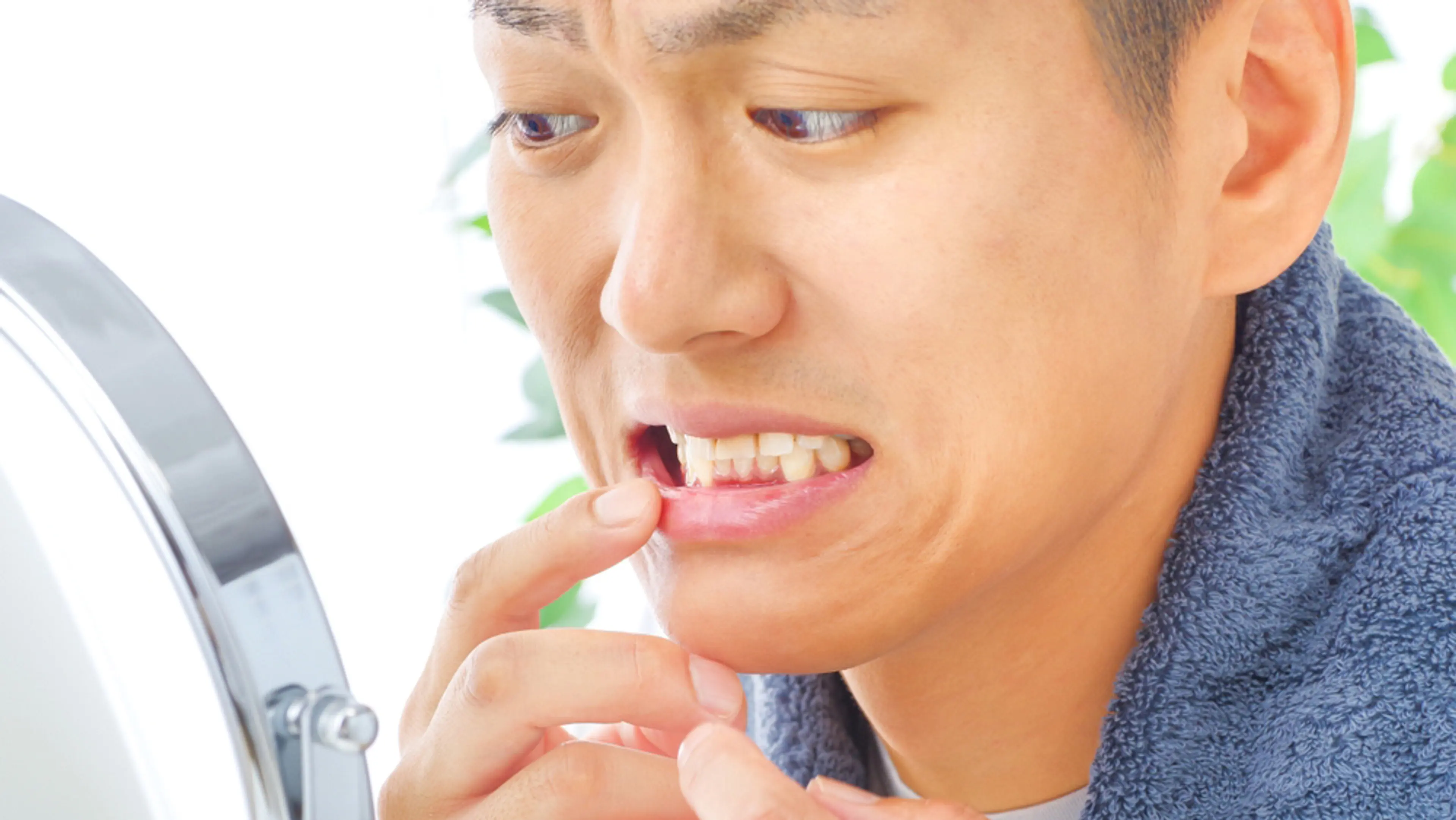
Many patients expect dramatic, uniform brightness, only to find patchy results: front teeth that glow, canines that remain darker, or spots that stubbornly resist change. While initially disappointing, this unevenness doesn’t signal failure. Instead, it provides valuable clues about your unique dental history, enamel composition, and even hidden oral health conditions.
At Smile View Dental Clinic, our role is to decode these signals and guide patients toward balance and harmony. Understanding why uneven whitening occurs—and how to address it—is the first step toward achieving the natural, confident smile you envisioned.
No two teeth are exactly alike. Enamel thickness, dentin density, and even microscopic structure affect how each tooth absorbs whitening agents. Thin enamel allows dentin to show through, creating a slightly darker hue, while thicker enamel reflects light more readily, appearing brighter. This explains why incisors often lighten more quickly than canines.
Crowns, veneers, fillings, and bonding are color-stable materials. They remain the same shade regardless of whitening treatment. When natural enamel surrounding them lightens, these restorations stand out. A patient with a front tooth veneer, for example, may notice one tooth stubbornly darker—not because the whitening failed, but because the veneer is resistant to chemical change.
Whitening works best on extrinsic stains—those from coffee, tea, red wine, or smoking. Intrinsic stains, however, lie within the tooth’s structure. These can come from childhood antibiotics like tetracycline, fluorosis, or trauma. Intrinsic discolorations respond poorly to whitening, leading to uneven outcomes where some teeth brighten easily while others barely change.
Teeth that have experienced trauma or root canal therapy may darken internally. These gray or brown discolorations often resist whitening and sometimes become more visible when surrounding teeth lighten.
Over-the-counter strips or gels often provide uneven results because they fail to cover teeth uniformly. Patients commonly notice bright spots where strips adhered tightly and duller patches where they lifted. Professional whitening, particularly with customized trays and dentist-supervised gel application, ensures more consistent results.
A university student preparing for study abroad came to Smile View Dental Clinic distressed by uneven whitening after using drugstore strips for a month. Her front teeth appeared significantly brighter than her side teeth, and one canine looked especially dark in comparison.
Dr. Han-gyeol Kim explained that the strips did not fit snugly around her canines, leading to poor gel coverage. Using digital scans, we fabricated custom trays tailored to her bite. Over the next two weeks, targeted whitening sessions balanced her shade. By the time she left for her program, her smile appeared even and natural, without the patchy contrast she feared would show in photographs.
Whitening is not instantaneous. Some unevenness evens out naturally over one to two weeks as whitening agents continue to act. Don’t judge results too quickly.
At Smile View Dental Clinic, we use digital imaging, photographs, and shade-matching systems to determine the cause of unevenness. Whether it’s enamel thickness, restorations, or intrinsic discoloration, identifying the root cause is crucial to selecting the right correction.
Dentists can isolate darker teeth and apply higher-concentration gel, balancing shades without over-bleaching lighter teeth. This precision ensures natural harmony rather than an artificial “glow.”
If crowns, veneers, or fillings no longer match, replacing them post-whitening is often the solution. Many patients whiten first, then have restorations remade to match their brighter smile. This sequencing creates long-lasting uniformity.
For resistant stains, treatments like porcelain veneers, bonding, or even ceramic crowns may be recommended. These options don’t just mask discoloration—they reshape and strengthen teeth, offering a complete smile transformation.
Preventing uneven whitening starts long before gel is applied:
In Gangnam, smiles are held to a high standard. Patients frequently seek whitening before job interviews, auditions, weddings, or networking events. What’s unique here is the preference for natural brightness rather than exaggerated whiteness. Many patients ask for a “pearl-like glow”—radiant, but not artificial.
This cultural preference contrasts with Western ideals, where ultra-white shades are sometimes desired. At Smile View Dental Clinic, we balance both aesthetics, ensuring patients achieve results that fit both Korean beauty ideals and international expectations. For patients who frequently travel abroad, this balance becomes especially important.
Whitening at Smile View Dental Clinic is never a stand-alone service—it’s part of a larger philosophy of smile design. Dr. Han-gyeol Kim, trained at Harvard and UCLA, brings global expertise combined with the high precision expected in Korea. Our approach includes:
For many patients, the brightest smiles result not just from whitening, but from harmonizing tooth shape, alignment, and shade together.
Sometimes whitening simply isn’t enough, especially for deeply stained or traumatized teeth. In these cases, advanced solutions provide long-term satisfaction:
Uneven whitening results may cause frustration, but they are not the final outcome. Every shade variation tells a story about your teeth—whether it’s their density, history of restorations, or response to lifestyle habits. At Smile View Dental Clinic, we see these differences not as failures, but as guides toward more customized care.
The good news is that there’s always a solution. Whether through additional whitening sessions, targeted treatments, updating restorations, or exploring veneers, the path to an even, radiant smile is achievable.
If you’ve noticed patchy whitening or are preparing for your first treatment, consult with Dr. Han-gyeol Kim at Smile View Dental Clinic in Gangnam. With precision-driven care, advanced diagnostic tools, and an artistic eye for natural balance, we’ll help you achieve a smile that shines evenly, confidently, and authentically—reflecting the very best version of you.