Home / Articles
How to Tell If a Filling Has Failed
Home / Articles
How to Tell If a Filling Has Failed
Let us share a story we see often at Smile View Dental Clinic. A patient walks in, saying, "Doctor, I think something's off with this tooth. It feels a bit sensitive lately when I drink something cold." At first glance, the tooth looks normal. No visible break. No deep pain. But after a closer look—sometimes with magnification and bite analysis—it becomes clear: the filling has failed.
You might be surprised to learn that many people walk around for months with a compromised filling without realizing it. The symptoms can be subtle at first. Yet, like a cracked tile in your bathroom, that small defect opens the door to much bigger issues if ignored.
At our clinic, where we specialize in precision-integrated dentistry and cosmetic smile reconstruction, we view fillings not just as repairs—but as key components in a long-term oral health system. A failing filling isn’t just a nuisance—it’s a signal that the integrity of your tooth is under threat.
This article explores how to tell if a dental filling has failed, why it happens, and what to do if you suspect yours might need attention.
A dental filling is a restorative material used to repair minor to moderate damage to a tooth, usually caused by decay or trauma. It’s meant to seal the cavity and protect the inner layers of the tooth. Fillings can be made of various materials—composite resin, amalgam, porcelain, even gold—but each has a lifespan.
A failed filling is one that no longer performs its job—whether due to cracks, leakage, material breakdown, or new decay around it. The protective seal is compromised, which opens the door to bacteria, food particles, and pressure-related damage.
In Gangnam, where many patients are very conscious of both dental function and aesthetics, this is particularly concerning. Even the smallest defect in a visible area can affect not just oral health but self-confidence. A compromised filling can quickly escalate from a minor irritation to a severe problem requiring complex treatment, such as root canal therapy or a crown.
At Smile View, we emphasize prevention and early detection. We integrate tools such as 3D imaging, occlusion mapping, and microscopic inspection to ensure no detail goes unnoticed. The sooner we detect a failing filling, the more conservatively we can treat it.
Based on years of treating patients in a high-demand clinical environment, here are the main reasons fillings fail:
At Smile View, we often see a combination of these factors in our patients—especially those who’ve had restorations done many years ago or overseas without follow-up. We also frequently treat patients who were unaware that their filling was poorly fitted, leading to years of slow damage beneath the surface.
Sudden or lingering sensitivity to hot, cold, or sweet foods may indicate that the filling is no longer sealing the tooth properly. This is often the first subtle sign that something has gone wrong.
Sharp or localized pain when chewing could mean the filling is cracked or loose, letting pressure affect the sensitive inner tooth. This pain often comes and goes, making it easy to ignore—until it worsens.
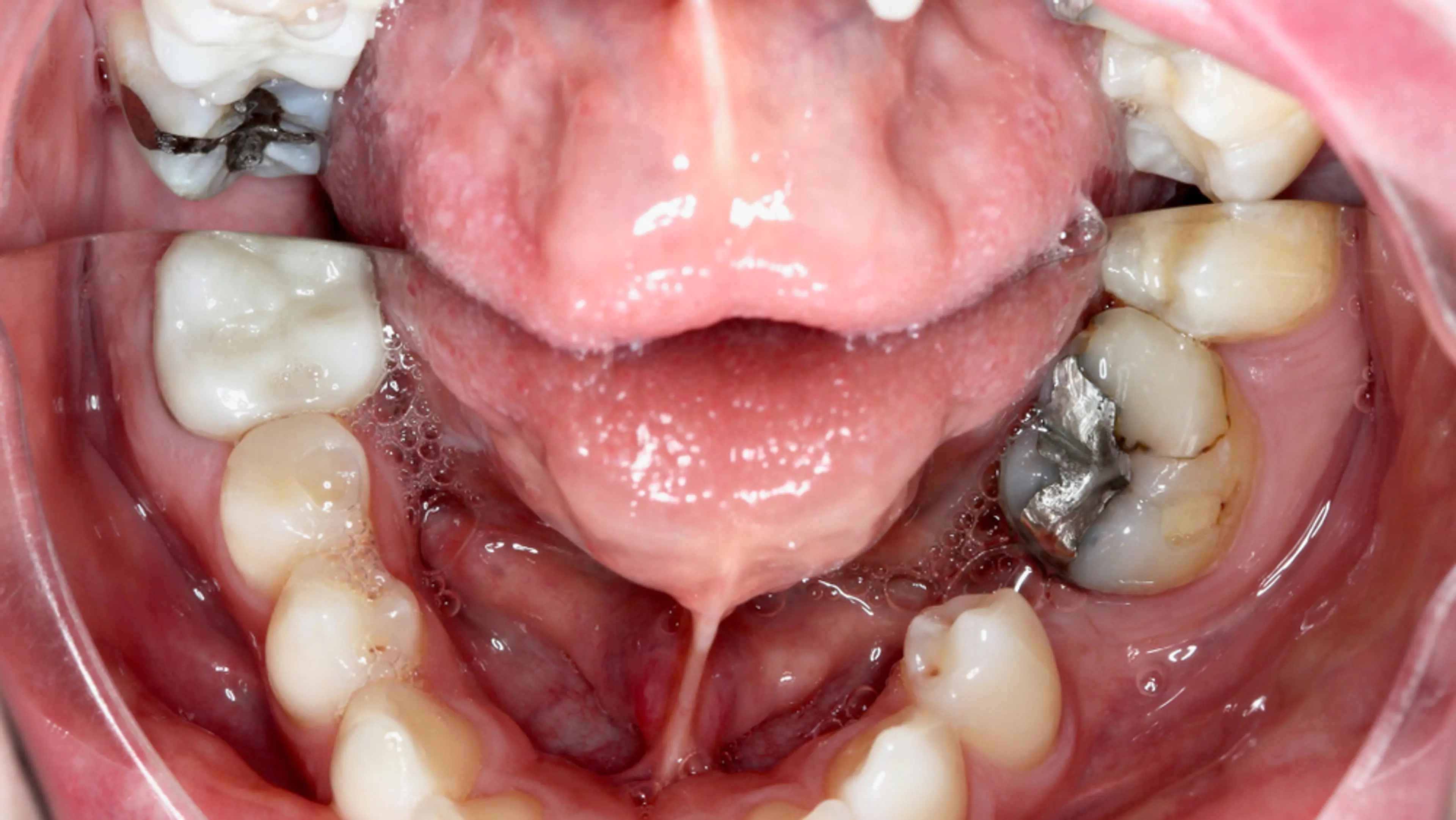
If you notice a chunk missing or a rough edge where the tooth used to be smooth, this is a telltale sign. Sometimes, these defects can only be seen with proper lighting and magnification.
Dark shadows or stains could suggest microleakage or underlying decay. This is especially problematic in the front teeth, where aesthetics matter deeply.
If food gets stuck in gaps around a failed filling, bacteria can flourish, leading to odor or an unpleasant taste. This symptom often indicates decay or infection.
If the filling moves when you press your tongue against it or you notice it feels "high," it could be loosening. Over time, the gap can widen, further exposing the tooth to decay and structural damage.
A failed filling may have a rough or overhanging edge, causing dental floss to shred or catch. This can allow plaque buildup between teeth and increase the risk of gum disease.
When bacteria get beneath a broken filling, they can irritate the gumline nearby, causing localized swelling or bleeding.
A failing filling is rarely a painful emergency at first—but the consequences of ignoring it are serious:
Worsening decay that spreads deeper into the tooth
Tooth fractures that complicate restoration
Pulp infections that require root canal therapy
The need for crowns, inlays, or onlays instead of simple fillings
In some cases, tooth loss and replacement via implant or bridge
In our holistic dental model, the earlier we catch the issue, the more conservatively we can treat it. Sometimes, a simple refill or minor adjustment is all that’s needed. Wait too long, and you may need a crown, onlay, or even surgical intervention. Early treatment also means reduced cost, faster recovery, and minimal discomfort.
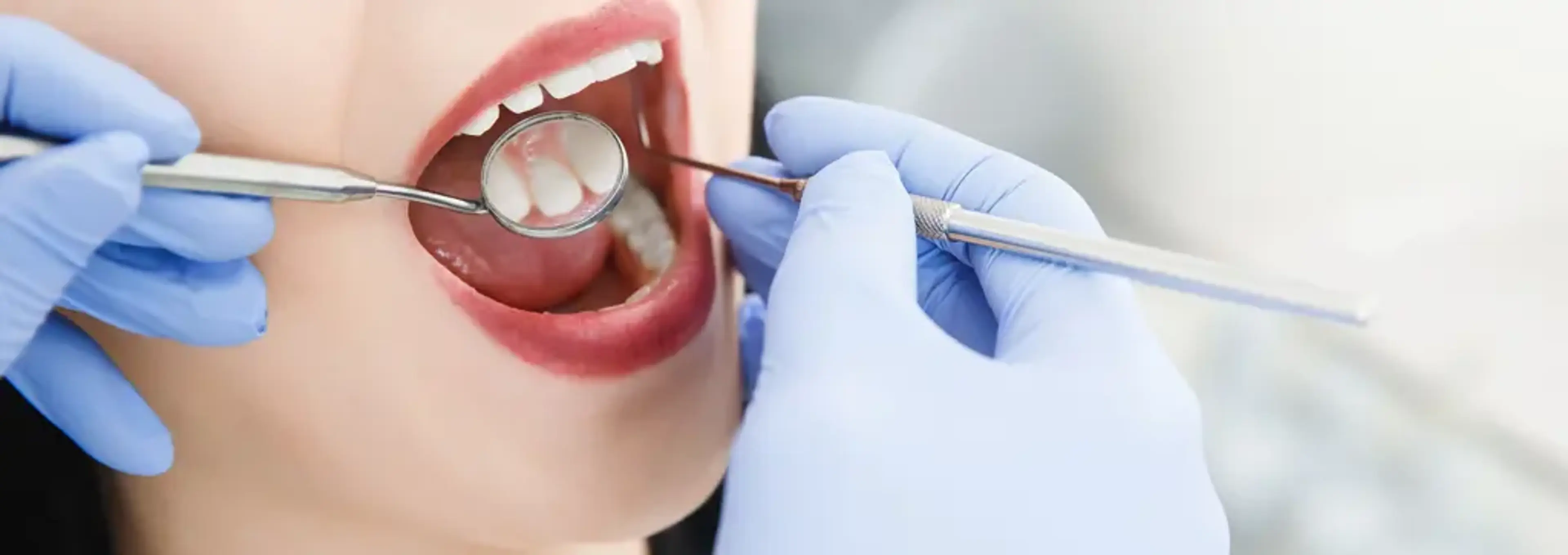
If you suspect a filling has failed, here’s how we evaluate it at Smile View Dental Clinic:
Dr. Han-gyeol Kim and our interdisciplinary team approach even simple fillings with a meticulous eye. Every restoration must:
Match your natural occlusion and bite dynamics
Integrate seamlessly with adjacent teeth
Be durable and aesthetic
Preserve as much natural tooth as possible
Resist thermal and mechanical stress long-term
In our Gangnam practice, many patients prioritize invisible, long-lasting results. That’s why we use high-quality composite and ceramic materials, often under a microscope, for precise placement. We also regularly replace outdated amalgam with biocompatible and natural-looking alternatives that align with modern cosmetic goals.
We do more than just "fix a hole." Our treatment philosophy ensures every restoration contributes to the harmony of your smile, jaw function, and long-term health.
Think of your dental health like a finely tuned piano—everything must stay in sync for the whole system to work harmoniously. Routine maintenance prevents major repairs.
A filling may be a small part of your dental landscape—but it plays a major role in function and protection. When it fails, it doesn’t just affect one tooth—it can compromise your entire bite system.
If you're experiencing sensitivity, pain, or visual signs that something isn't right, trust your instincts. Schedule a professional evaluation. At Smile View Dental Clinic, we take pride in helping our patients catch these problems early—so your treatment remains simple, your smile stays bright, and your oral health endures.
Your teeth are not just tools for eating—they’re a reflection of your health, confidence, and personality. Taking care of small issues like filling failure is one of the smartest investments you can make.