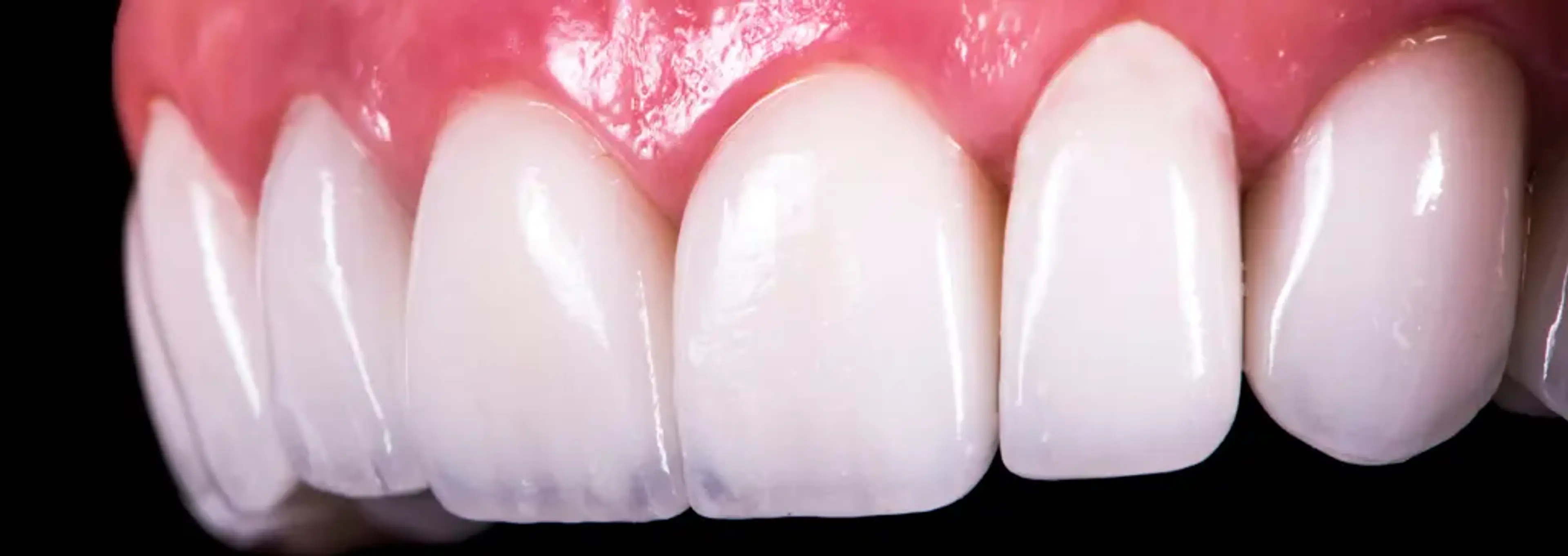
If you're looking to transform your smile, veneers offer one of the most effective and popular cosmetic dentistry solutions. Two of the most common veneer options are porcelain veneers and composite veneers—each with unique benefits, limitations, and ideal use cases. Understanding their differences can help you make the best choice for your dental goals, budget, and lifestyle.
In this guide, we’ll compare porcelain vs. composite veneers, covering their pros, cons, costs, and best uses, so you can decide which treatment is right for you.
What Are Dental Veneers?
what-are-dental-veneersVeneers are thin layers of material bonded to the front surface of your teeth to improve their appearance. They can correct a wide range of cosmetic issues, such as:
Porcelain Veneers: Overview
porcelain-veneers:-overview
Porcelain veneers are custom-made shells crafted in a dental lab from high-quality ceramic materials. They are designed to closely mimic the natural translucency and texture of enamel, offering a lifelike aesthetic.
✅ Pros of Porcelain Veneers
pros-of-porcelain-veneersSuperior aesthetics: Natural-looking with a smooth, light-reflective surface
Stain resistance: Resists staining from coffee, wine, and smoking
Durability: Lasts 10–15 years or more with proper care
Custom fit: Individually designed for optimal shape, color, and contour
❌ Cons of Porcelain Veneers
cons-of-porcelain-veneersHigher cost: More expensive due to lab fabrication and materials
Invasive: Requires removal of a small amount of enamel
Longer process: Typically 2–3 visits and 1–2 weeks for lab production
Not repairable: If chipped or cracked, the entire veneer must be replaced
Composite Veneers: Overview
composite-veneers:-overviewComposite veneers are made of tooth-colored resin material applied directly to the tooth surface by the dentist and sculpted in the chair. They can be completed in a single visit, making them more accessible and budget-friendly.
✅ Pros of Composite Veneers
pros-of-composite-veneersLower cost: More affordable than porcelain veneers
Quick application: Completed in a single dental visit
Minimally invasive: Often requires little to no enamel removal
Repairable: Easy to fix if chipped or worn
❌ Cons of Composite Veneers
cons-of-composite-veneersLess durable: Typically lasts 4–8 years; more prone to wear
Stain over time: Susceptible to discoloration from food and beverages
Aesthetic limitations: Less natural translucency and shine than porcelain
Requires maintenance: May need periodic polishing or touch-ups
Side-by-Side Comparison Table
side-by-side-comparison-tableFeature | Porcelain Veneers | Composite Veneers |
|---|
Appearance | Highly natural, translucent | Good, but less lifelike |
Durability | 10–15 years or more | 4–8 years |
Cost | Higher | Lower |
Time Required | 2–3 visits | 1 visit |
Stain Resistance | Excellent | Moderate to low |
Repairability | Must be replaced | Easily repairable |
Tooth Preparation | Moderate | Minimal |
Best Uses for Porcelain Veneers
best-uses-for-porcelain-veneersPorcelain veneers are ideal for patients who:
Want a long-lasting, high-end cosmetic solution
Have severe discoloration or enamel erosion
Are looking for a dramatic smile transformation
Prefer stain resistance and minimal maintenance
They’re often recommended for front teeth that play a central role in your smile’s appearance.
Best Uses for Composite Veneers
best-uses-for-composite-veneers
Composite veneers are ideal for patients who:
Want a more affordable or reversible option
Have minor cosmetic concerns like small chips or gaps
Need a quick fix before an event or occasion
Are younger and may want to change the veneers later
They are commonly used for small aesthetic corrections and touch-ups.
Cost Differences
cost-differencesThe cost of veneers varies depending on the clinic, materials, and dentist’s expertise:
Porcelain Veneers: Typically range from ₩900,000–₩2,000,000 KRW per tooth (or $800–$2,000 USD)
Composite Veneers: Typically range from ₩300,000–₩800,000 KRW per tooth (or $250–$800 USD)
Although porcelain veneers are more expensive upfront, they tend to require fewer replacements over time.
Which Type Is Right for You?
which-type-is-right-for-youThe choice between porcelain and composite veneers depends on several factors:
Consideration | Recommended Option |
|---|
Budget-conscious | Composite Veneers |
Long-term investment | Porcelain Veneers |
Time-sensitive solution | Composite Veneers |
Best aesthetic results | Porcelain Veneers |
Minor cosmetic flaws | Composite Veneers |
Expert Recommendation from Smile View Dental
expert-recommendation-from-smile-view-dentalAt Smile View Dental in Gangnam, Seoul, our experienced team evaluates your dental condition, aesthetic goals, and lifestyle before recommending the ideal veneer type.
Dr. Mi-young Lee, dual-certified in Prosthodontics and Orthodontics, specializes in both types of veneers and ensures precise aesthetic results.
Dr. Han-gyeol Kim, an Integrated Dentistry Specialist, coordinates holistic treatment plans for comprehensive smile rehabilitation.
Each patient receives a customized veneer treatment using advanced digital scanning, color-matching, and minimally invasive techniques.
Final Thoughts
final-thoughtsBoth porcelain and composite veneers can significantly enhance your smile. The best choice depends on your individual needs, timeline, and budget. While porcelain offers unmatched durability and aesthetics, composite provides a fast, flexible, and more affordable alternative.
To get started with your veneer transformation, book a consultation at Smile View Dental—your trusted cosmetic dentistry clinic in Gangnam, Seoul.