Home / Articles
Prosthodontic Treatment : What to Expect | Smile View Clinic
Home / Articles
Prosthodontic Treatment : What to Expect | Smile View Clinic
Choosing to undergo prosthodontic treatment is a transformative decision that impacts your health your appearance and your daily comfort. Whether you are looking to replace a single missing tooth or require a full-mouth reconstruction understanding the journey from the first consultation to the final reveal is essential.
This guide provides a comprehensive look at the before and after of prosthetic dentistry. We will explore the latest safety protocols potential risks and why thousands of patients now travel to South Korea for the highest quality most affordable care.
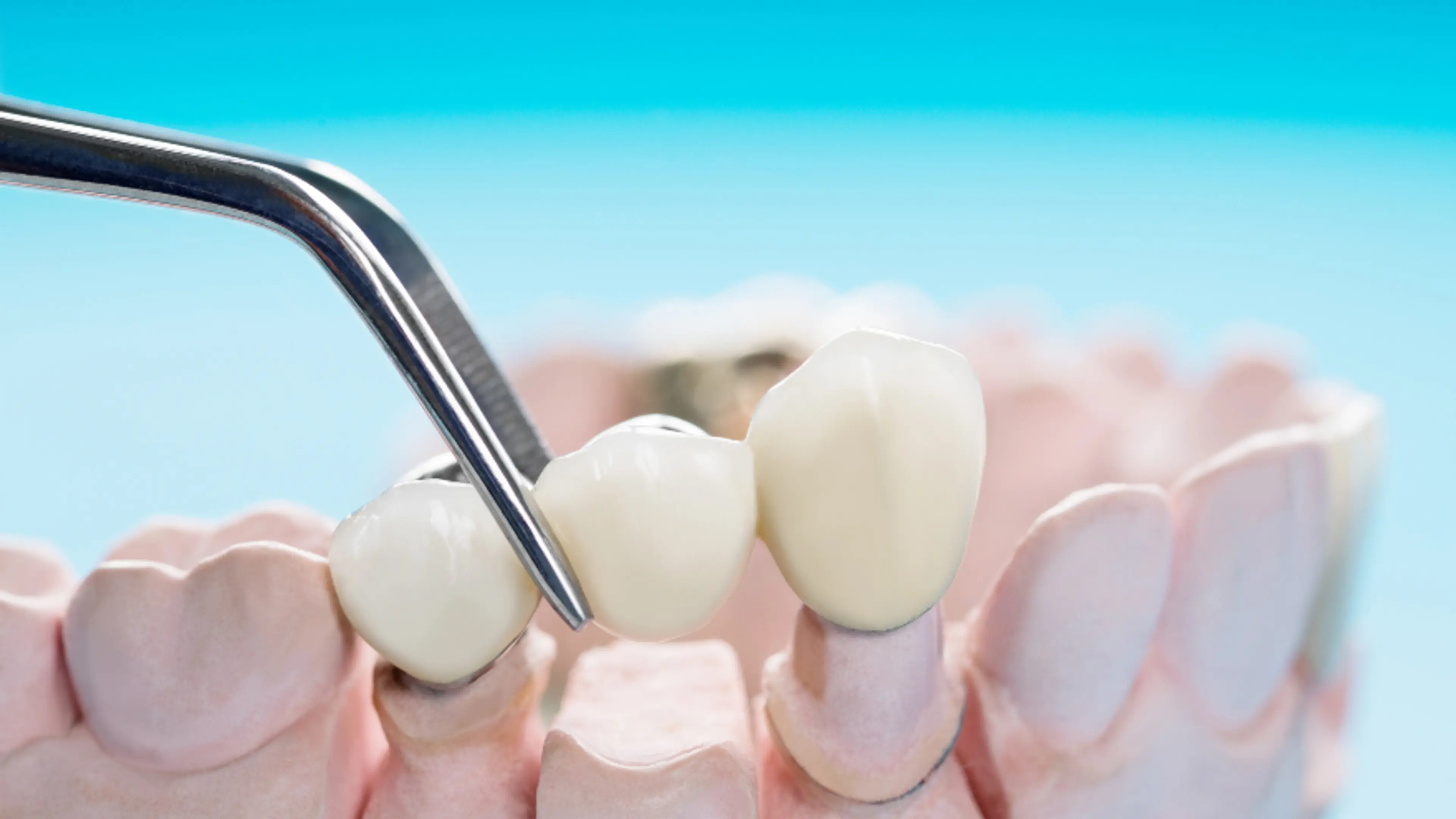
A prosthodontist is often described as the architect of the mouth. While a general dentist handles routine maintenance like cleanings and fillings a prosthodontist undergoes three additional years of rigorous training beyond dental school. They specialize in the design, manufacture and fitting of artificial replacements for teeth and other parts of the mouth.
The goal of prosthodontic treatment is two-fold:
Success in prosthodontics is not accidental. It follows a careful roadmap:
You may be a candidate for prosthodontic treatment if you experience any of the following:
One of the most exciting advancements is Digital Smile Design. Using 3D intraoral scans and facial videos specialists create a virtual coworker to help plan your smile. This try-before-you-buy technology allows you to see a digital rendering of your final result before the procedure even begins.
It is important to distinguish between a "Hollywood" look and a natural restoration. Your prosthodontist will ensure your new teeth match your age, facial structure, and skin tone for a result that looks authentic, not artificial.
Prosthodontic treatment follows a structured path. Depending on your needs your specialist will recommend either a fixed or removable solution.
Feature | Fixed Restorations (Implants/Crowns) | Removable Restorations (Dentures) |
|---|---|---|
Stability | Permanent; feels like natural teeth | Can be removed; may shift slightly |
Maintenance | Brushing and flossing like normal | Requires daily removal and soaking |
Bone Health | Helps preserve the jawbone | Does not prevent bone loss |
Typical Use | Single teeth, bridges, All-on-4 | Full arches or partial gaps |
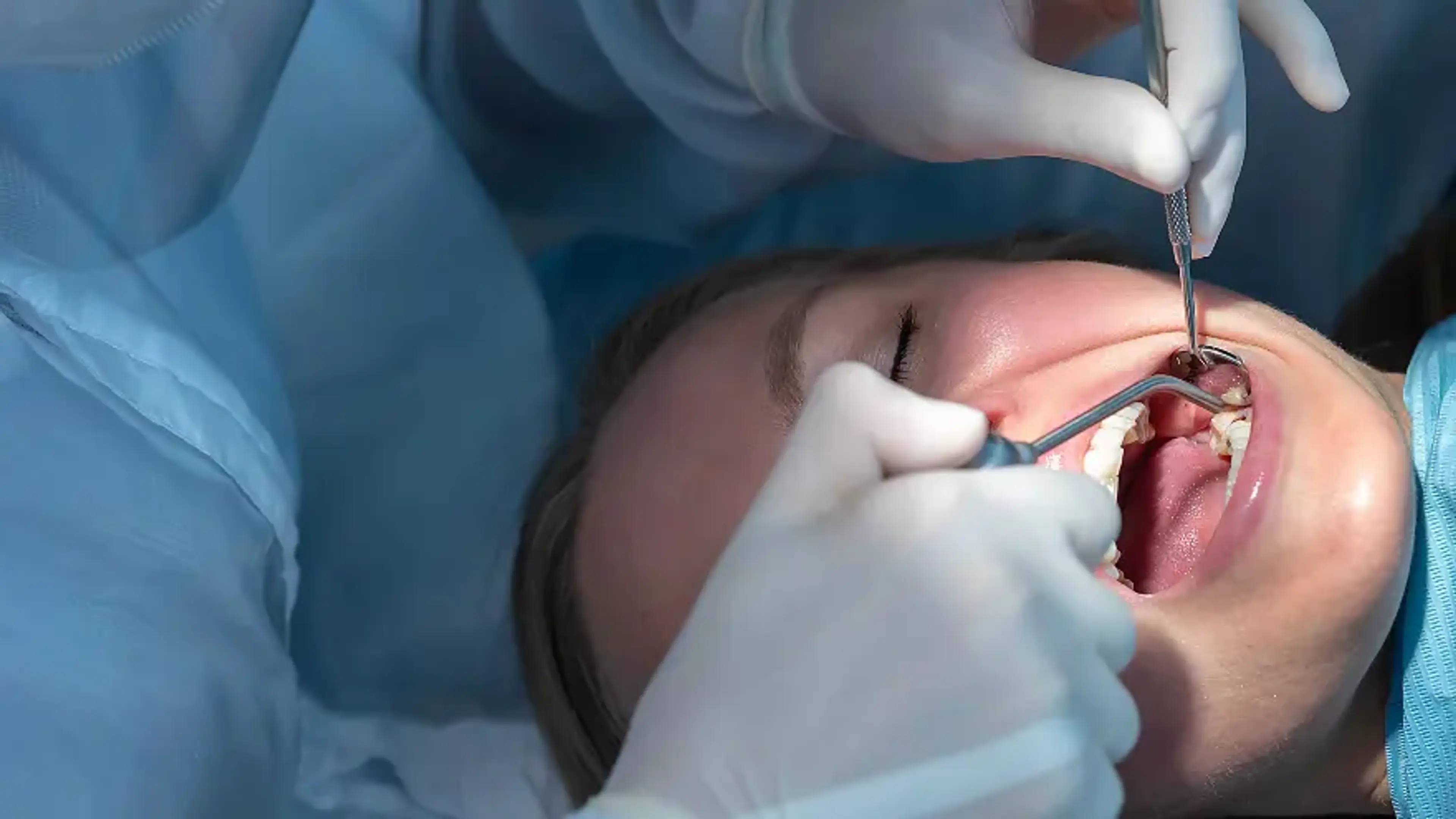
Patient safety is the cornerstone of any medical procedure. In prosthodontics, this involves high-level infection control and the use of biocompatible materials.
Cost is often a major factor in the decision-making process. Patients today are increasingly looking for value the highest quality results at a sustainable price.
South Korea is widely considered the cheapest and best destination for prosthodontic treatment. As the global manufacturing hub for top-tier implant brands like Osstem and Dentium, Korean clinics have direct access to cutting-edge technology without the middleman markups found in the West.
Procedure Type | United States | UK / Europe | Australia | South Korea |
|---|---|---|---|---|
Single Dental Implant | $3,500 – $5,500 | $2,800 – $4,200 | $3,000 – $5,000 | $800 – $1,800 |
Zirconia Crown | $1,500 – $2,500 | $1,000 – $1,800 | $1,600 – $2,400 | $450 – $850 |
Full Arch (All-on-4) | $25,000 – $40,000 | $18,000 – $25,000 | $22,000 – $35,000 | $9,000 – $13,000 |
Porcelain Veneer | $1,800 – $3,500 | $1,200 – $2,200 | $1,500 – $3,000 | $400 – $900 |
South Korean clinics lead the world in risk mitigation by using AI-guided surgery, which virtually eliminates human error during implant placement. By choosing South Korea, patients save between 50% to 70% while receiving care from world-renowned specialists.
The "After" phase is where your investment pays off.
To ensure your crowns or implants last 20+ years hygiene is critical. Professional cleanings twice a year are necessary. Your hygienist will use specialized tools designed not to scratch or damage your prosthetics.
No. We use advanced local anesthesia and sedation options to ensure a painless experience during the procedure. Most patients report only mild pressure rather than pain.
A single crown or veneer can be finished in 1-2 days in high-tech clinics. Full implants require 3 to 6 months to allow the jawbone to heal and fuse with the new tooth root.
The lower cost is due to intense domestic competition and the fact that Korea produces its own world-leading dental technology. You aren't paying for lesser quality you are paying for an efficient vertically integrated system.
While considered permanent most restorations have a functional lifespan of 15–20 years. However the titanium post of a dental implant can last a lifetime with proper oral hygiene.
Prosthodontic treatment is more than a cosmetic upgrade it is a vital investment in your overall health and longevity. While the "Before" may be defined by difficulty eating or hiding your smile, the "After" is about complete freedom.
By taking advantage of global hubs like South Korea you can access elite-level technology and specialist care at a price point that makes a total smile transformation possible.