Home / Articles
Root Canal Recovery: What’s Normal and What’s Not
Home / Articles
Root Canal Recovery: What’s Normal and What’s Not
For many patients, the term "root canal" can evoke a mix of emotions: relief, anxiety, and curiosity. But one part of the experience that's often overlooked is recovery. What happens after the procedure? How will your mouth feel? What symptoms are routine, and which ones warrant a call to your dentist?
At Smile View Dental Clinic in Gangnam, we’ve helped thousands of patients through the entire root canal journey — from first consultation to final crown placement. Our approach is holistic, minimally invasive, and deeply tailored to each patient’s needs. We believe recovery isn’t just about physical healing, but also about restoring your confidence and peace of mind.
Whether you are a local patient from Seoul or a visitor seeking world-class care in South Korea, this guide will help you navigate the recovery process with clarity. Here, we go beyond generic dental advice to offer practical, clinically grounded insight based on years of experience. You'll learn what to expect during each phase of healing, how to manage common symptoms, and how to recognize signs that warrant immediate attention.
Let’s walk through what’s normal during root canal recovery, what’s not, and how to ensure the smoothest healing possible.
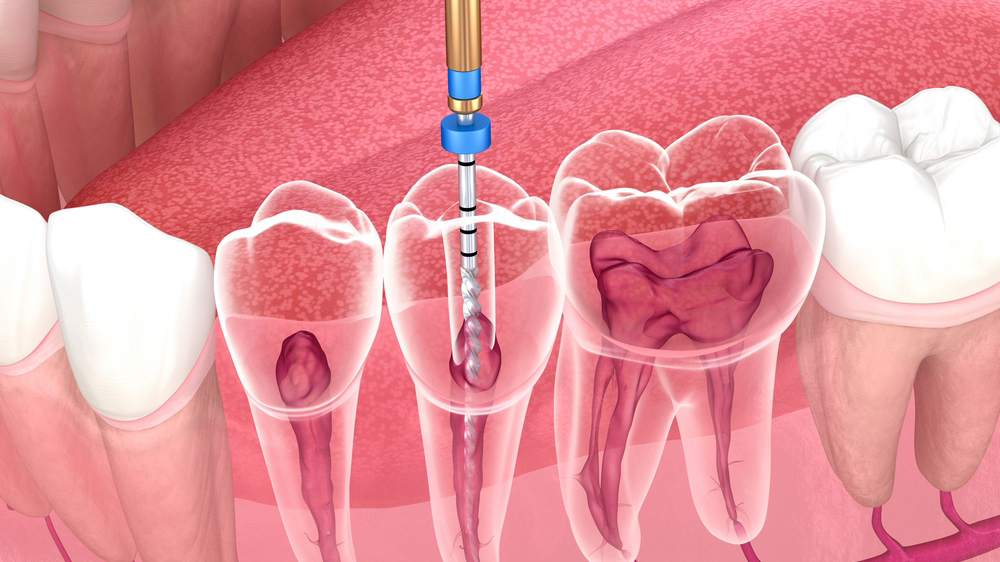
A root canal is a procedure designed to save a severely damaged or infected tooth by removing the inflamed pulp inside the root canals, disinfecting the area, and sealing it. Though the tooth’s nerve is removed, the structure remains functional and pain-free, especially once restored with a crown.
It may help to think of a root canal as an intricate internal cleaning, like overhauling the engine of a luxury car. We preserve the visible exterior, but the internal systems are carefully treated and repaired. At Smile View Dental Clinic, we often use advanced tools such as 3D cone beam imaging and microscopic endodontics to ensure precision and minimize unnecessary trauma to surrounding tissues.
However, even with state-of-the-art care, the tissues surrounding the tooth have been affected by infection, inflammation, and the treatment process itself. That’s why recovery plays a vital role in achieving full oral health and preventing complications.
You may experience soreness or tenderness, especially when biting or touching the treated tooth. This can last anywhere from a few days to a week. Think of it like the soreness you feel after a minor surgical procedure — your body is simply adjusting and healing.
This discomfort is usually manageable with over-the-counter medications. At our clinic, we often recommend a combination of ibuprofen and acetaminophen for their anti-inflammatory and pain-relieving benefits. The key is that the pain should gradually decrease, not increase.
It's not uncommon to feel sensitivity when chewing or drinking something hot or cold. This typically improves gradually. Remember, even though the tooth no longer contains nerves, the surrounding gum and bone tissues are still alive and can react during the healing process.
The gum tissue around the treated tooth may feel inflamed or slightly swollen. This is usually a short-lived part of the healing process. Using a cold compress on the outside of your cheek in 15-minute intervals can help reduce swelling during the first 48 hours.
Many patients report a sensation that the treated tooth feels "different" or "taller." This may be due to slight swelling or an uneven temporary filling. Your dentist can adjust your bite if needed. It’s a quick, painless adjustment that can make a big difference.
This is especially common if the treatment took longer than usual or involved lower molars, where access is more limited. You might notice slight jaw fatigue or tension for a couple of days, especially if you needed to keep your mouth open for an extended time.
While most root canal recoveries are uneventful, there are some red flags that indicate the need for prompt dental attention:
Pain should peak within the first 72 hours and then steadily decline. If it intensifies after that, it could indicate:
A lingering infection
A missed canal (some teeth have hidden or complex canals)
Cracks in the tooth
An abscess
This is especially important to monitor if the original infection was severe or longstanding. At Smile View Dental Clinic, we carefully map out all root canals using magnification to reduce the risk of missing complex anatomy.
A little gum puffiness is normal. However, swelling that spreads to the face, jaw, or neck may signal a spreading infection. In rare cases, this can affect breathing or swallowing, which constitutes a medical emergency.
This may suggest systemic infection, especially if paired with persistent swelling or pain. Don’t dismiss it as a coincidence. Let your dental provider know.
A foul taste or pus-like discharge can mean the tooth or surrounding tissue is still infected. This could be due to incomplete cleaning or a leaking temporary filling.
If local anesthesia wears off but numbness lingers for more than a few hours, it could indicate nerve irritation. This is rare but should be evaluated promptly to rule out nerve injury.
Understanding the general timeline can help you monitor your own recovery with clarity:
Expect mild to moderate soreness
Use prescribed or OTC pain relievers
Stick to soft foods
Avoid chewing on the treated side
Apply ice packs if needed
Pain and swelling should start to fade
You can reintroduce firmer foods
Sensitivity should decrease
You may feel more confident using the treated tooth
Most discomfort disappears
Any temporary filling may be replaced with a crown
Tooth feels stable and functional
If pain persists beyond two weeks, or if you haven’t yet had your crown placed, consult your dentist. The crown is essential not only for function but also for protecting the tooth from fracture.
The tooth should feel like a normal part of your bite
No sensitivity or swelling should remain
You should be able to eat and drink without restrictions
At Smile View Dental Clinic, we recommend the following post-treatment care tips:
Take any prescribed antibiotics or pain relievers as directed. Avoid stopping antibiotics early, even if you feel better. This ensures the infection is fully eliminated.
Stick to soft foods for the first few days: rice porridge, soft tofu, smoothies, scrambled eggs, bananas, and noodle soups are excellent choices. Avoid chewing directly on the treated tooth until you receive your final crown.
Keep the area clean by brushing gently and rinsing with warm salt water. Avoid flossing around temporary fillings unless advised. Good oral hygiene supports tissue healing and prevents secondary infections.
Avoid intense workouts for the first day. Sleep with your head elevated if you notice swelling. Be patient with your body as it adjusts.
Don’t skip your follow-up. A post-root canal crown is not optional. It reinforces the tooth, restores chewing function, and prevents fractures.
Severity of the original infection
Number of canals treated
Your general health and immune system
Whether the tooth required multiple visits
Pre-existing dental habits like bruxism (teeth grinding)
Patients who clench or grind their teeth at night may benefit from a night guard after treatment. This prevents excessive pressure on the treated tooth, allowing tissues to heal without trauma.
At our Gangnam clinic, we use advanced 3D imaging, microscopic instrumentation, and biocompatible materials to ensure cleaner, more complete treatments that reduce post-op discomfort and risk.
The truth is, root canal recovery isn’t usually as dramatic as people fear. Most patients return to normal within a few days, especially when they’re supported with clear aftercare and expert follow-up.
But we also know healing isn’t just physical — it’s emotional. At Smile View Dental Clinic, we take the time to walk you through every phase. You’re never rushed, and your concerns are always heard. Whether you’re worried about a lingering ache or just need reassurance, we’re here for you.
That said, it’s important to listen to your body. Mild discomfort is part of the healing process — but persistent pain, swelling, or unusual symptoms aren’t. That’s why partnering with a dentist who prioritizes both technical excellence and personal attention makes all the difference.
If you’re recovering from a root canal or considering one, don’t hesitate to contact us at Smile View Dental Clinic. Led by Dr. Han-gyeol Kim and our multidisciplinary team, we’re committed to precision, comfort, and comprehensive care every step of the way.