Home / Articles
Teeth Whitening for Smokers: What Works and What Doesn’t
Home / Articles
Teeth Whitening for Smokers: What Works and What Doesn’t
In Gangnam, where polished aesthetics and self-care are highly valued, a bright, confident smile is more than a cosmetic bonus—it’s often a personal and professional asset. Yet for many smokers, achieving and maintaining white teeth can feel like chasing a moving target. The mirror reflects years of habits in the form of yellowing enamel, stubborn brown stains, or a dull, aged look that doesn’t align with how vibrant they feel inside.
You might be wondering: "Can I still get a brilliant white smile even if I smoke or used to smoke?" The answer is yes—but with caveats. As a clinic specializing in cosmetic and integrated dentistry in Gangnam, Smile View Dental Clinic sees numerous patients, both local and international, navigating this exact concern. What we’ve found is that while smokers can achieve excellent whitening results, the journey requires more precision, maintenance, and realistic expectations.
Let’s explore what works, what doesn’t, and how to set yourself up for long-lasting success.
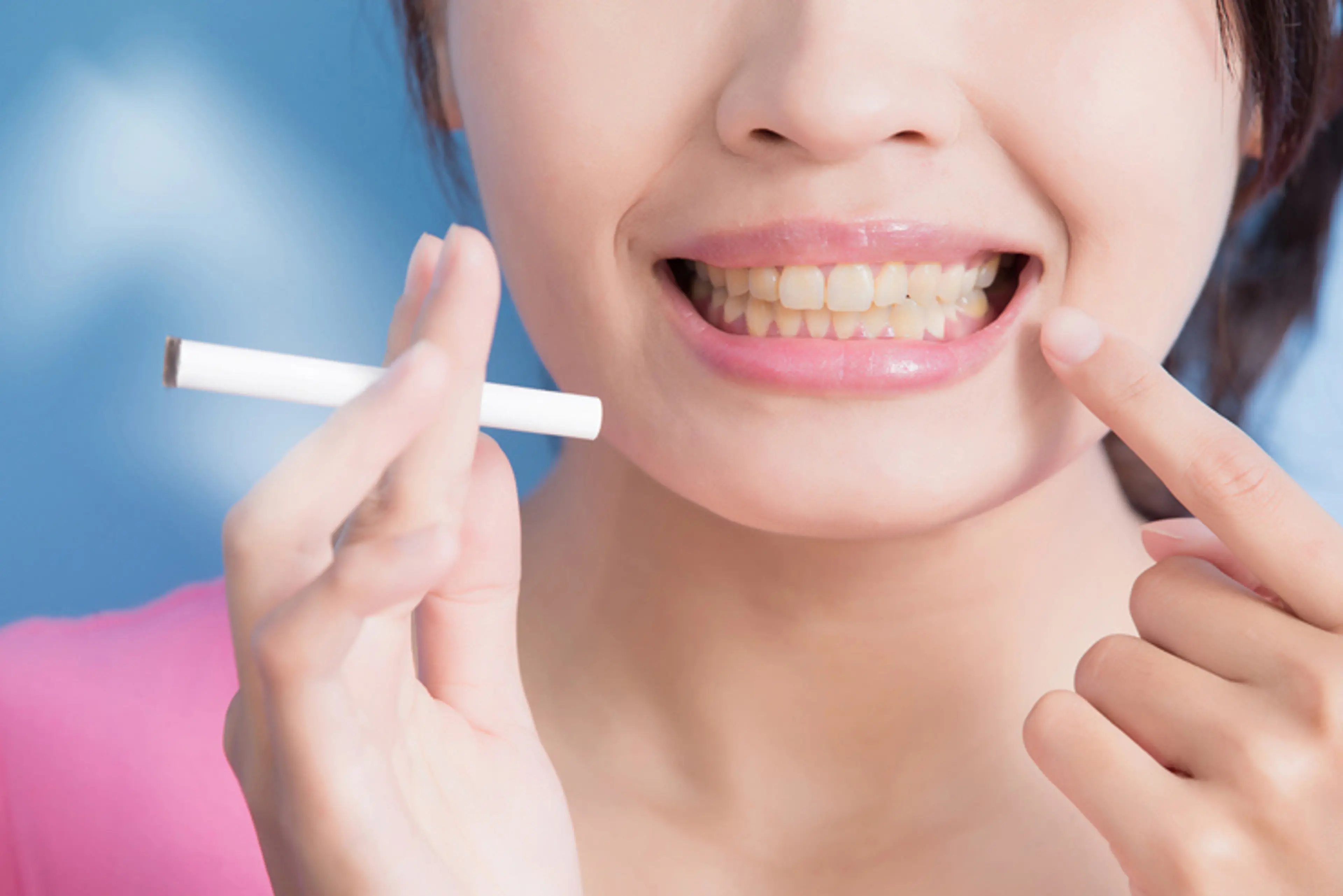
To understand how to treat smoker-stained teeth, we first need to understand how smoking causes stains. Unlike coffee or wine stains, which are typically surface-level, tobacco smoke introduces a mix of tar, nicotine, and combustion by-products that penetrate the enamel.
This combination of effects makes smoker stains more stubborn and persistent, requiring a more intensive approach than what might work for the average non-smoker. Interestingly, a study from COEHAR found that former smokers who transitioned to heated tobacco products or e-cigarettes had significantly whiter teeth than those who continued combustive smoking. This supports a key takeaway: reducing or eliminating smoking dramatically improves whitening outcomes.
There is also a cultural angle to consider. In Korea, particularly in neighborhoods like Gangnam where image matters, having stained teeth can subtly affect one's confidence in professional and social settings. Our patients often describe whitening not just as a cosmetic procedure, but as a kind of emotional reset—a way to feel more polished, clean, and aligned with the best version of themselves.
Contrary to common myths, smokers respond just as well to professional whitening as non-smokers—at least in the short term. Clinical studies have shown that 22% carbamide peroxide gel used in a dentist-supervised take-home kit is effective for smokers.
Both methods deliver visible whitening. However, smokers may experience faster relapse if post-treatment care is neglected. At our clinic, we find that combining the two methods—an in-office session followed by at-home maintenance—yields the most stable results.
Skipping this step is one of the biggest mistakes smokers make. Professional cleaning (scaling, polishing, and debridement) removes surface stains and plaque, allowing bleaching agents to penetrate properly. Think of it as priming a canvas before painting.
At Smile View, we often use air polishing technology and ultrasonic scalers to break up stubborn tar and plaque deposits. For smokers, this step is not optional—it’s the foundation for everything that follows.
Smoking may thin the enamel or cause early gum recession, so we avoid one-size-fits-all bleaching. At Smile View, we:
Use desensitizing agents before and after whitening
Offer gradual whitening with lower concentrations over longer periods
Monitor progress weekly to prevent over-bleaching or irritation
This approach is part of our philosophy of precision care. It reflects our belief that the best outcomes come from adjusting treatments to the patient’s biology and lifestyle.
This is where most whitening regimens fail—especially for smokers. A robust maintenance routine includes:
Regular cleanings every 6–12 months
Touch-up whitening kits for home use
Avoiding cigarettes, especially right after whitening
Minimizing staining foods/drinks (coffee, red wine, curry)
High-fluoride, low-abrasion toothpaste
We also advise using a straw for dark beverages and rinsing the mouth after smoking or meals. Small changes in daily habits can dramatically extend the results.
These may help remove superficial stains but don’t change the underlying color of your teeth. Studies show their effect is marginal—and sometimes overly abrasive.
Charcoal, baking soda, lemon juice, garlic paste—we’ve heard it all. These might scrub away some stains, but they often damage enamel, especially when the tooth surface is already compromised from smoking. Avoid these unsupervised methods.
No whitening system can outpace daily staining from cigarettes. Whitening without habit modification is like pouring water into a leaking bucket. Even reducing from 10 cigarettes to 2 per day can make a meaningful difference.
Crowns, veneers, and fillings don’t respond to bleaching. If they were placed when your teeth were yellower, whitening natural teeth may make the restorations stand out. This requires careful planning and sometimes replacement to match the new shade.
At Smile View Dental Clinic, we integrate cosmetic dentistry with full oral health diagnostics. That means before we whiten, we check:
Enamel health and thickness
Gum condition (recession, inflammation)
Existing restorations and their color
Lifestyle factors (diet, smoking, oral hygiene)
Our Gangnam-based clinic uses digital shade mapping, high-res imaging, and 3D custom trays to ensure your whitening is safe, effective, and long-lasting.
We also plan your whitening in the context of broader smile goals. Planning veneers? Whiten first. Planning implants? Align the shade ahead of time. Our holistic view avoids common pitfalls and gives you a smile that’s not just brighter, but harmonized and healthy.
Our team, led by Dr. Han-gyeol Kim, who trained at Yonsei University and completed advanced programs at Harvard and UCLA, is especially skilled at complex smile rehabilitation cases. That includes smokers who also require orthodontics, implants, or gum treatments.
If you’re a smoker and you’ve been told whitening won’t work for you, it’s time to reconsider. While smoking presents real challenges, modern cosmetic dentistry offers real solutions—especially when combined with thoughtful maintenance and habit awareness.
At Smile View Dental Clinic in Gangnam, we don’t just whiten teeth—we craft tailored, precision-driven aesthetic plans for every type of patient, smoker or not. We help you understand the unique story your teeth tell, and how to transform it.
The truth is, every smile is salvageable—and every stain tells a story. We’re here to help you turn that story into one of renewal, not regret. Whether you’re still smoking, trying to quit, or simply want to undo the past, there is a solution for you.