Home / Articles
The Best Foods for Stronger Teeth—And What to Avoid
Home / Articles
The Best Foods for Stronger Teeth—And What to Avoid
In Gangnam, where confidence and aesthetics often go hand-in-hand, it’s no secret that people invest heavily in their smiles. Orthodontics, whitening, veneers, and implants are all common here—not just for celebrities but for professionals, students, and even retirees who want to look and feel their best.
But here’s something many patients don’t realize: even the most advanced dental treatments rely on one simple, everyday factor—your diet.
At Smile View Dental Clinic, we often see patients who take meticulous care of their teeth with brushing, flossing, and regular check-ups, yet still struggle with enamel erosion, cavities, or sensitivity. When we dig deeper, the answer often lies not in poor hygiene, but in what they eat and drink.
The foods and beverages you choose either strengthen the foundation of your smile or quietly undermine it. Just as a luxury car needs premium fuel, your teeth depend on the right nutrients and protective habits to stay resilient.
In this article, we’ll explore:
Which foods truly help build stronger teeth
Which ones quietly sabotage them
Practical eating habits for everyday life in Seoul
A few “insider” dental truths you may not have heard before
Let’s dive into the world where nutrition meets dentistry—and discover how your diet can become your smile’s strongest ally.
When most people think about oral health, they picture toothbrushes, floss, and dental check-ups. And while these are absolutely essential, the truth is that your diet has just as much—if not more—power over the long-term health of your teeth.
Think of your smile like a luxury apartment in Gangnam. You can decorate it beautifully (veneers, whitening, orthodontics), but if the foundation is weak, the entire structure will eventually show cracks. Food is that foundation.
Tooth enamel is the hardest substance in your body—even harder than bone. Yet it has one major weakness: once damaged, it cannot regenerate. That means every acidic drink, every sugary snack, and every period of dry mouth can leave lasting marks.
Unlike your skin, which can heal from a small cut, or your bones, which can knit back together after a fracture, enamel has no living cells. Its strength must be preserved, and that preservation comes largely from diet.
Diet doesn’t just influence cavities. It affects:
One of the biggest hidden truths we share with patients is this: it’s not just what you eat, but how often you expose your teeth to it.
A single dessert after dinner? Manageable.
Sipping on a sweetened coffee for three hours? A recipe for enamel erosion.
Every time you eat, bacteria in your mouth feed on sugars and release acids. These acid “attacks” last about 20 minutes. If you’re constantly snacking, your teeth are under almost nonstop assault.
Food choices also affect saliva flow—your mouth’s built-in defense system. Saliva isn’t just water; it’s full of minerals like calcium and phosphate that actively repair early enamel wear. Diets that cause dry mouth (alcohol, excessive caffeine, or even skipping meals) remove this natural protection, leaving teeth vulnerable.
Cheese, yogurt, and milk are rich in calcium and phosphates, the building blocks of strong enamel. They also help neutralize acid in the mouth, reducing the risk of decay. At Smile View, we often recommend cheese as a post-meal snack—it’s one of the simplest ways to buffer acidity.
Spinach, kale, bok choy, and lettuce are powerhouses of calcium, folate, and vitamins. Crunchy vegetables like carrots and celery have a dual benefit: they provide nutrients while acting like natural toothbrushes, gently cleaning teeth as you chew.
Almonds, sesame seeds, and walnuts provide calcium, protein, and healthy fats. Chewing nuts stimulates saliva, which is essential for washing away acids and maintaining a balanced oral environment.
Salmon, mackerel, and sardines supply vitamin D, allowing the body to absorb calcium more efficiently. Eggs and lean meats also contain phosphorus, which, along with calcium, contributes to tooth mineralization.
Popular across Korea, green tea is more than a cultural staple—it’s a dental ally. Polyphenols in green tea reduce bacterial growth and control inflammation. Unsweetened varieties are particularly beneficial.
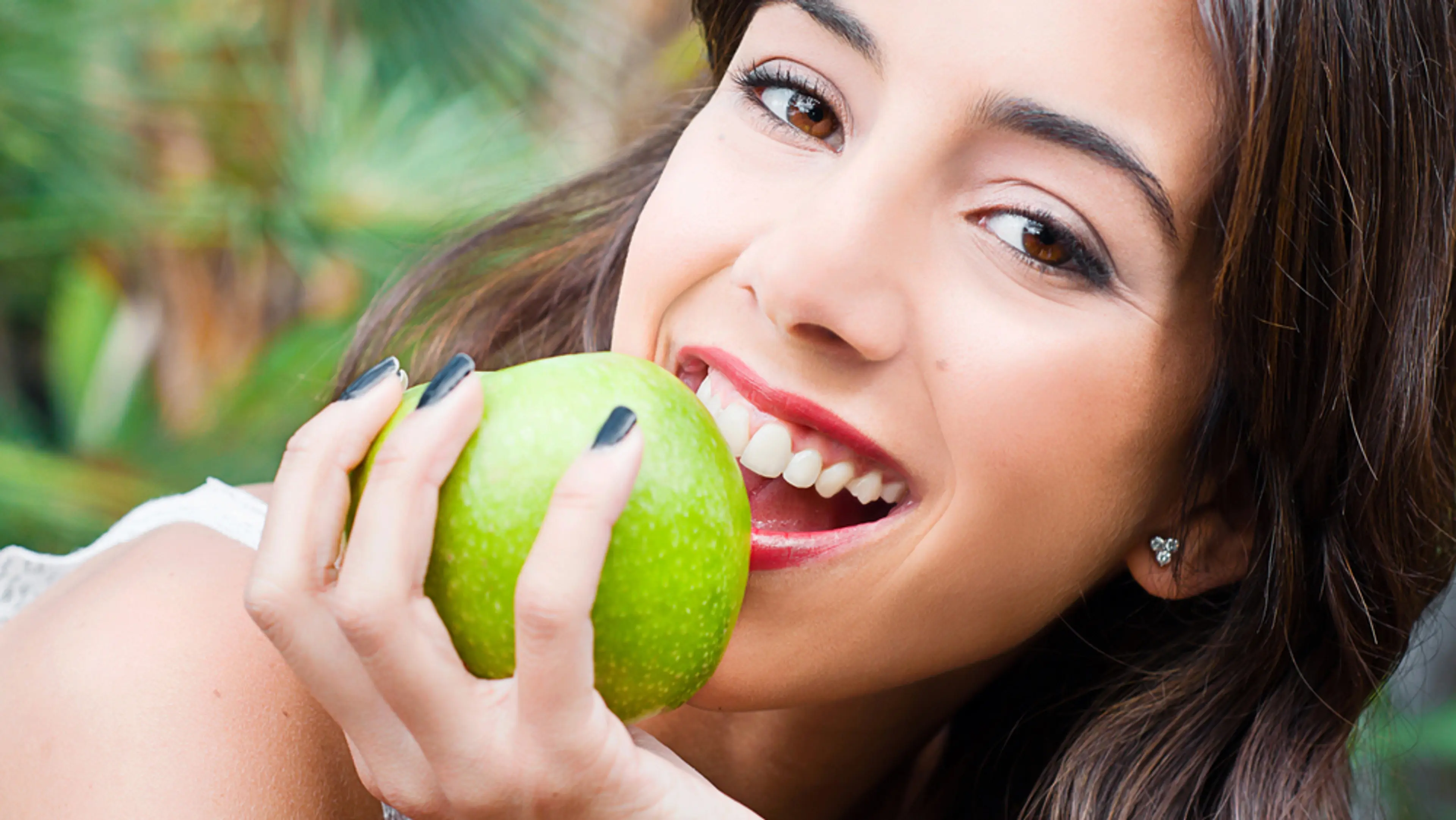
While some fruits are acidic, apples are less erosive and provide natural scrubbing action. Eating an apple is often described as a “nature’s toothbrush” effect, though we still recommend brushing afterward for full protection.
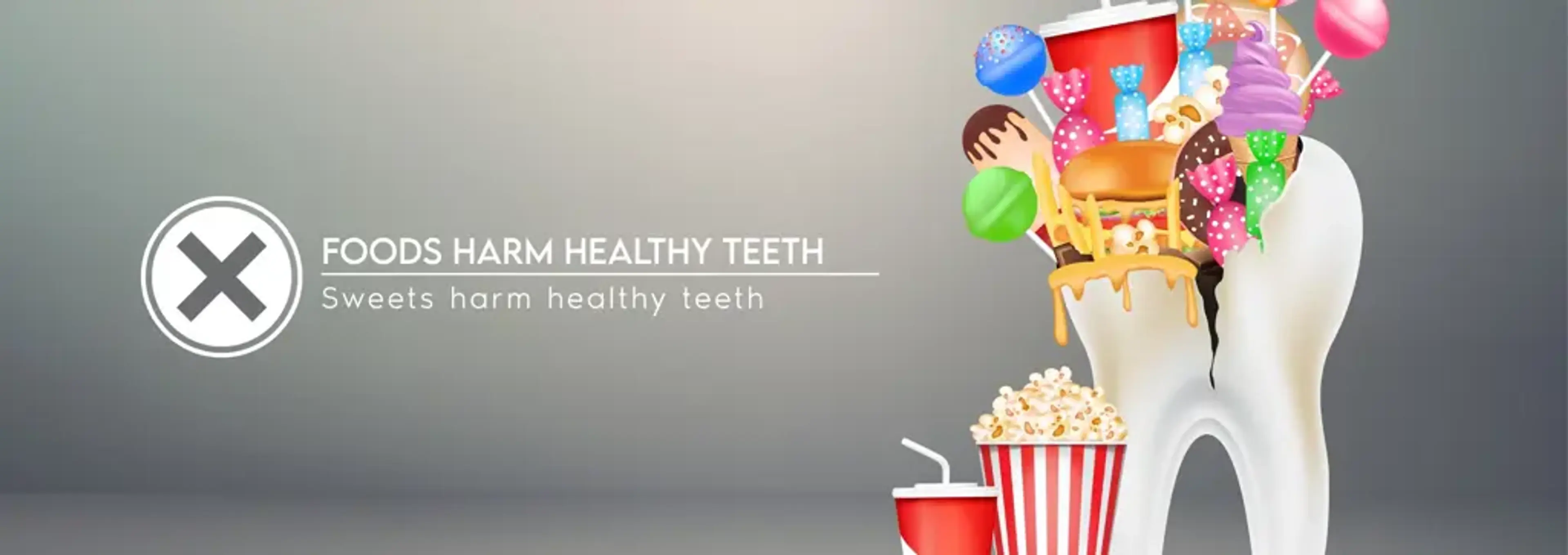
Candies, cakes, sodas, and sweetened coffees feed oral bacteria, producing acids that attack enamel. Many Gangnam office workers sip sweet lattes throughout the day—unaware that this constant sugar exposure is more harmful than an occasional dessert.
Dried fruits like figs or raisins may seem healthy but stick to enamel grooves, prolonging bacterial acid activity. Caramel and chewy candies are particularly difficult to clean away, even with brushing.
Citrus fruits, carbonated drinks, and even sparkling water wear down enamel over time. The key isn’t to avoid them entirely, but to consume them wisely—preferably with meals and never as a continuous sip throughout the day.
Alcoholic beverages not only contain sugars and acids but also reduce saliva flow. A dry mouth accelerates tooth decay and gum disease. Patients often underestimate this link, focusing only on liver health while ignoring oral effects.
Chewing on ice cubes or hard candies creates microfractures in enamel. Over time, these small cracks can worsen, leading to chips, sensitivity, and the need for restorative treatment.
It’s not just what you eat—it’s also how.
Here’s something most patients don’t expect: the frequency of sugar exposure matters more than the total amount. A slice of cake eaten at once with dinner is far less harmful than sipping on a sugary latte every 30 minutes.
Another hidden truth: saliva is your body’s built-in enamel repair system. Saliva carries calcium and phosphate that can remineralize weakened enamel. Anything that reduces saliva flow—stress, alcohol, dehydration, or certain medications—can quietly undermine your smile.
This is why at Smile View Dental Clinic, we don’t just look at your X-rays or gums—we also ask about your lifestyle, stress levels, and even hydration habits. Dentistry is about integration, not isolation.
Nutrition plays a quiet but essential role in every treatment plan we create. Whether it’s Invisalign, veneers, implants, or full-mouth reconstruction, we emphasize diet because:
Veneers need strong underlying enamel to last.
Implants require healthy bone supported by proper calcium and vitamin D intake.
Orthodontic results are more stable when gums and oral tissues are well-nourished.
Our integrated approach ensures that aesthetic results are backed by functional strength. This is why patients trust Smile View not only for cosmetic transformations but also for long-term oral health strategies.
Your smile is more than a reflection in the mirror—it’s a daily expression of health, confidence, and vitality. While advanced treatments can repair and enhance, true longevity depends on everyday choices.
Choosing foods that strengthen enamel, avoiding those that erode it, and adopting simple eating habits can make the difference between a smile that fades and one that thrives for decades.
If you’re unsure whether your diet is helping or harming your teeth, don’t wait until problems arise. At Smile View Dental Clinic in Gangnam, Dr. Han-gyeol Kim and our multidisciplinary team combine international expertise with advanced diagnostics to provide tailored advice—not just on procedures, but on how to sustain results for life.