Home / Articles
TMJ Treatment Options Without Surgery
Home / Articles
TMJ Treatment Options Without Surgery
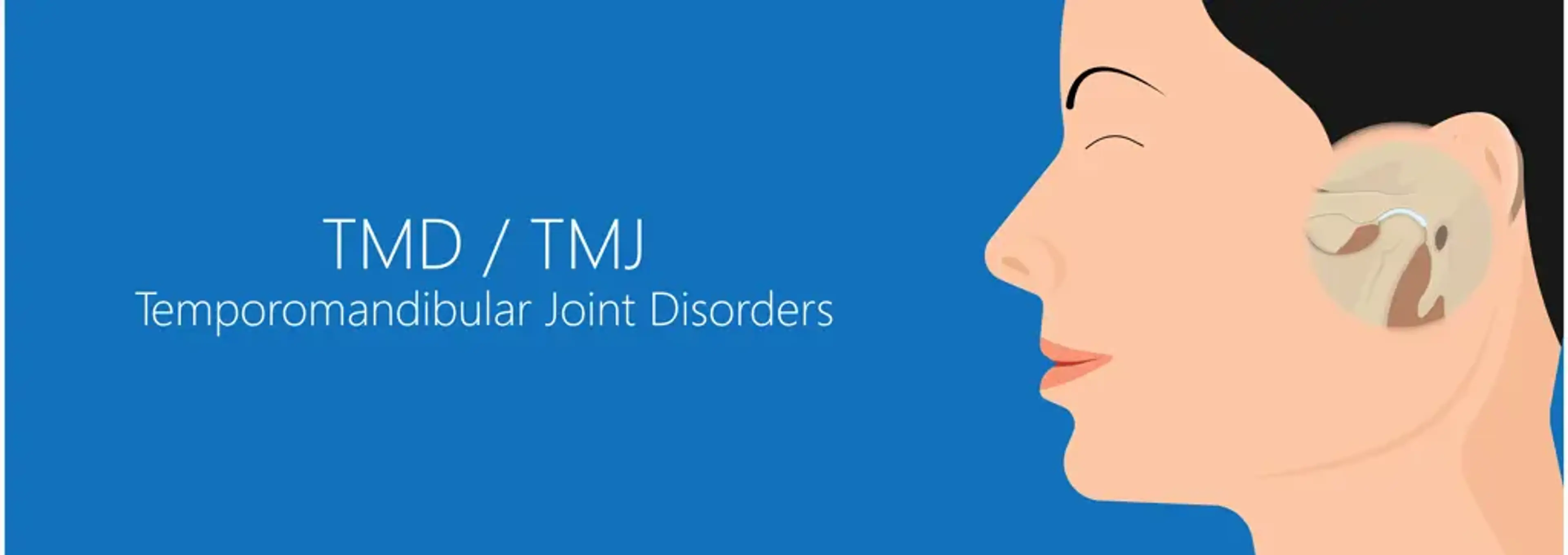
Have you ever noticed a slight clicking when you open your mouth wide, or an ache that settles near your jaw after a long day? For many people in Seoul — where daily life is fast, focused, and often stressful — these symptoms have become quietly familiar. Yet what most don’t realize is that these subtle signs may point to a temporomandibular joint (TMJ) disorder.
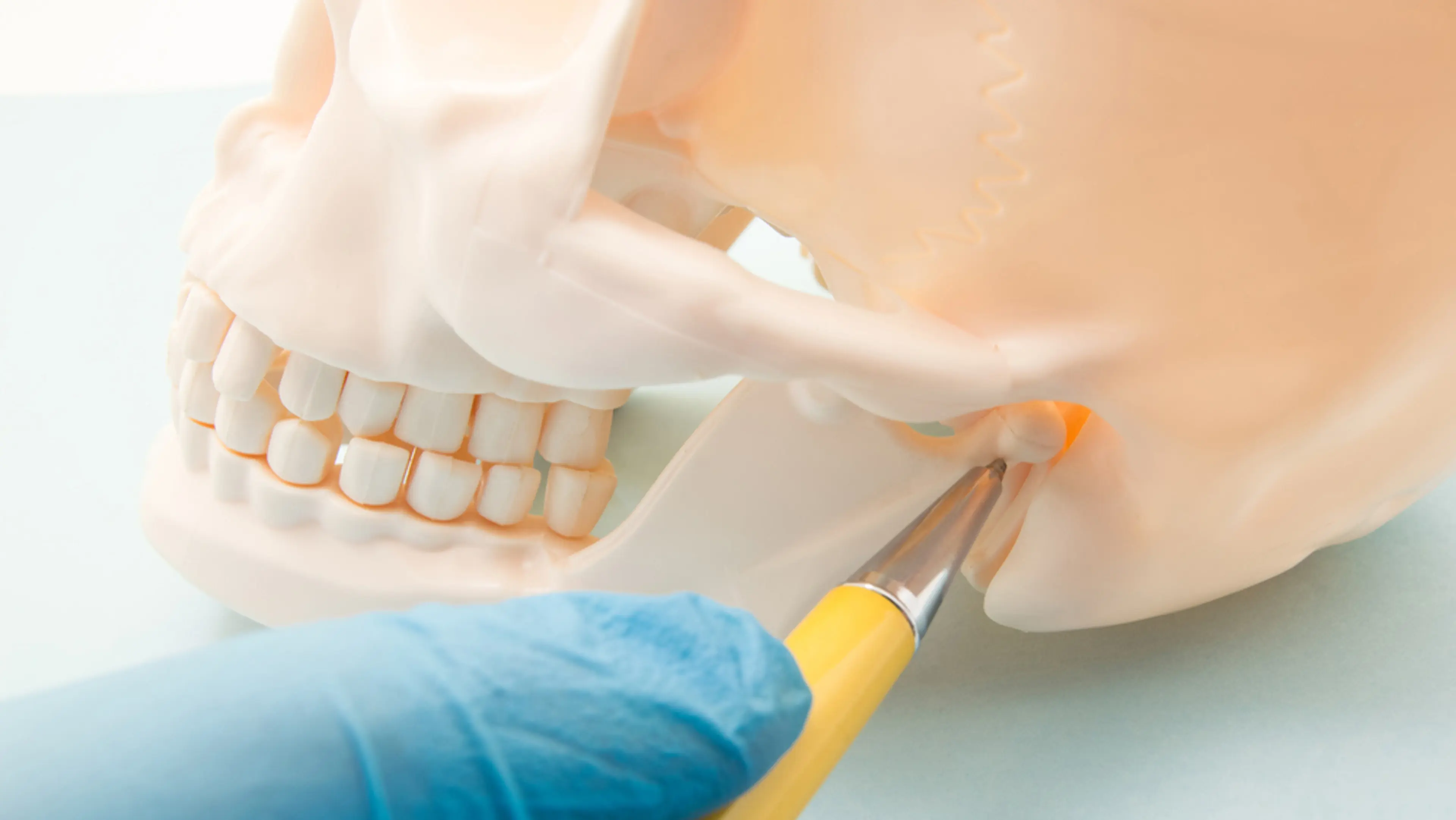
Your TMJ is a small but powerful hinge connecting your lower jaw to your skull. It allows you to talk, chew, laugh, and yawn — movements so natural we rarely think about them until something feels off. When this joint becomes strained or misaligned, however, the result can be pain, tension, and even headaches that radiate across the face and neck.
The reassuring news is that most TMJ disorders can be treated effectively without surgery. At Smile View Dental Clinic in Gangnam, we specialize in identifying and addressing the root causes of TMJ discomfort through minimally invasive, precision-guided treatments. Under the leadership of Dr. Han-gyeol Kim, a Yonsei University graduate with advanced training from Harvard and UCLA, our team combines global expertise with local insight to help patients restore natural, comfortable jaw function — without the need for surgical intervention.
The temporomandibular joint (TMJ) is one of the most complex joints in the body. It connects your lower jaw (mandible) to your skull, allowing you to speak, chew, and express yourself. Each time you move your mouth, your TMJ performs a delicate dance of rotation and sliding.
When this joint functions harmoniously, you don’t even notice it. But when something disrupts that balance — whether muscle tension, bite misalignment, or injury — discomfort soon follows.
Clicking, popping, or grinding noises when opening or closing the mouth
Jaw stiffness or limited movement
Pain around the ears, temples, or neck
Frequent headaches or facial fatigue
Difficulty opening the mouth fully or comfortably
A sense of uneven bite or “locking” during chewing
Interestingly, many patients don’t realize their symptoms are jaw-related. It’s not uncommon for someone to visit multiple doctors — for headaches, ear pain, or even dizziness — before discovering that their TMJ is the true source of the problem.
TMJ disorders often arise from a combination of factors, rather than a single cause. Common contributors include:
At Smile View Dental Clinic, we emphasize understanding why your TMJ is strained before deciding how to treat it. This personalized approach prevents temporary fixes and leads to sustainable relief.
Many patients fear that TMJ treatment might lead to surgery. In reality, over 90% of TMJ cases can be effectively managed without any surgical intervention. The key lies in understanding that the TMJ is part of a flexible, adaptable system.
Just as muscles and joints elsewhere in the body respond to physiotherapy and alignment training, the jaw can often be retrained and rebalanced through careful, guided methods. Surgery is reserved only for severe structural damage — such as disc displacement or degenerative joint disease — which are relatively rare.
At Smile View Dental Clinic, we start with a comprehensive functional analysis. Our technology-driven diagnostics reveal the subtle imbalances behind your discomfort, allowing us to tailor a plan that helps your jaw heal naturally.
For many TMJ patients, especially those with bruxism (teeth clenching and grinding), a custom-made occlusal splint can be transformative.
Unlike generic mouthguards, our digitally designed splints are crafted based on 3D scans of your teeth and jaw alignment. These devices help by:
Patients often describe the experience as “jaw relaxation during sleep.” Within weeks, tension headaches and morning stiffness can noticeably diminish.
When the upper and lower teeth don’t meet evenly, the jaw joints must constantly adjust — even if only by a fraction of a millimeter. Over time, this micro-imbalance strains the TMJ.
Through digital occlusal analysis, we identify these uneven contacts and perform minor bite adjustments to restore balance.
This process is extremely precise — done conservatively to prevent overcorrection — and guided by Dr. Kim’s expertise in occlusion, gained through advanced studies at Harvard and UCLA. Once equilibrium is restored, the joints and muscles can function harmoniously again.
TMJ discomfort often stems from muscle tension rather than the joint itself. For these patients, physiologic therapy can be remarkably effective.
At Smile View Dental Clinic, we combine evidence-based muscle relaxation treatments such as:
This gentle, cumulative approach retrains your jaw muscles to relax and work in harmony — without drugs or injections.
Sometimes, the root of TMJ dysfunction lies in malocclusion — when the bite is imbalanced due to crooked teeth, past dental work, or missing teeth.
In these cases, orthodontic realignment or restorative correction may be necessary. Treatments such as Invisalign, precision veneers, or implant-supported restorations can help re-establish proper occlusion, restoring comfort to both the muscles and the TMJ.
Dr. Kim and the Smile View team take a functional-aesthetic approach to every smile. Aligning your teeth isn’t just about beauty — it’s about achieving a physiologic balance that allows your jaw joints to work without strain for decades to come.
At Smile View Dental Clinic, we guide patients to recognize and change subtle triggers, such as:
Small corrections — like adjusting head posture, practicing mindful relaxation, or scheduling regular jaw breaks — can dramatically improve long-term outcomes.
Stress and TMJ disorders are inseparable for many patients. Emotional tension often manifests physically through jaw clenching and grinding.
We encourage stress-reduction techniques such as mindful breathing, stretching, and relaxation exercises. Some patients benefit from physiologic breathing training or collaboration with stress management professionals.
At Smile View, we often say: “The jaw tells the story of your day.” By calming both the mind and muscles, you restore not just comfort — but overall wellbeing.
Our integrated team — including experts in orthodontics, prosthodontics, and oral surgery — works collaboratively to ensure that your treatment plan aligns aesthetics, function, and health.
Dr. Han-gyeol Kim’s international training and clinical philosophy emphasize minimally invasive, data-guided dentistry, helping patients achieve comfort and confidence without unnecessary intervention.
TMJ pain can make daily life feel heavy — every bite, every word, even every smile becomes a reminder that something’s out of balance. But here’s the truth: your jaw can heal. With the right diagnosis, a personalized treatment plan, and gentle physiologic care, most TMJ disorders improve significantly without surgery.